
In today’s fast-paced world, stress and anxiety have become constant companions for millions of people. Heart-rate coherence breathing offers a scientifically-backed pathway to reclaim control over your mental and physical wellbeing.

The intersection between mind and body has fascinated researchers and wellness practitioners for decades, yet few techniques deliver measurable results as quickly as heart-rate variability coherence training. This profound practice harnesses the natural connection between your breathing patterns, heart rhythm, and nervous system to create a state of optimal functioning that enhances everything from emotional resilience to cognitive performance.
🫀 Understanding the Science Behind Heart-Rate Coherence
Heart-rate coherence refers to a specific pattern in your heart rhythm where the natural variations in your heartbeat become smooth, ordered, and synchronized with your breathing. Unlike a metronome that beats at a constant rate, your heart naturally speeds up and slows down throughout the day—a phenomenon called heart-rate variability (HRV).
When you achieve coherence, this variability follows a sine-wave-like pattern that indicates your cardiovascular, respiratory, and nervous systems are working in harmony. Research conducted by the HeartMath Institute and numerous universities has demonstrated that this state correlates with improved emotional stability, enhanced cognitive function, and better overall health outcomes.
The autonomic nervous system, which controls involuntary functions like heart rate and digestion, consists of two branches: the sympathetic (fight-or-flight) and parasympathetic (rest-and-digest) systems. Most people oscillate between these states in chaotic patterns, especially under stress. Coherence breathing helps balance these systems, creating what researchers call “physiological coherence”—a state where your body’s systems operate with maximum efficiency and minimal energy expenditure.
The Remarkable Benefits of Coherence Practice
Scientific studies have documented an impressive array of benefits associated with regular heart-rate coherence training. These advantages extend far beyond simple relaxation, touching nearly every aspect of human functioning.
Mental and Emotional Advantages
Practitioners consistently report enhanced emotional regulation, meaning they experience fewer mood swings and recover more quickly from stressful events. The practice strengthens the connection between the heart and the prefrontal cortex—the brain region responsible for executive function, decision-making, and emotional regulation.
Anxiety and depression symptoms often decrease with consistent practice. One study published in the journal “Frontiers in Psychology” found that participants who practiced coherence breathing for just four weeks showed significant reductions in anxiety scores and reported feeling more capable of managing daily stressors.
Cognitive performance improvements include better focus, enhanced memory recall, and increased mental clarity. Many professionals use coherence techniques before important meetings or presentations to achieve peak mental states.
Physical Health Improvements
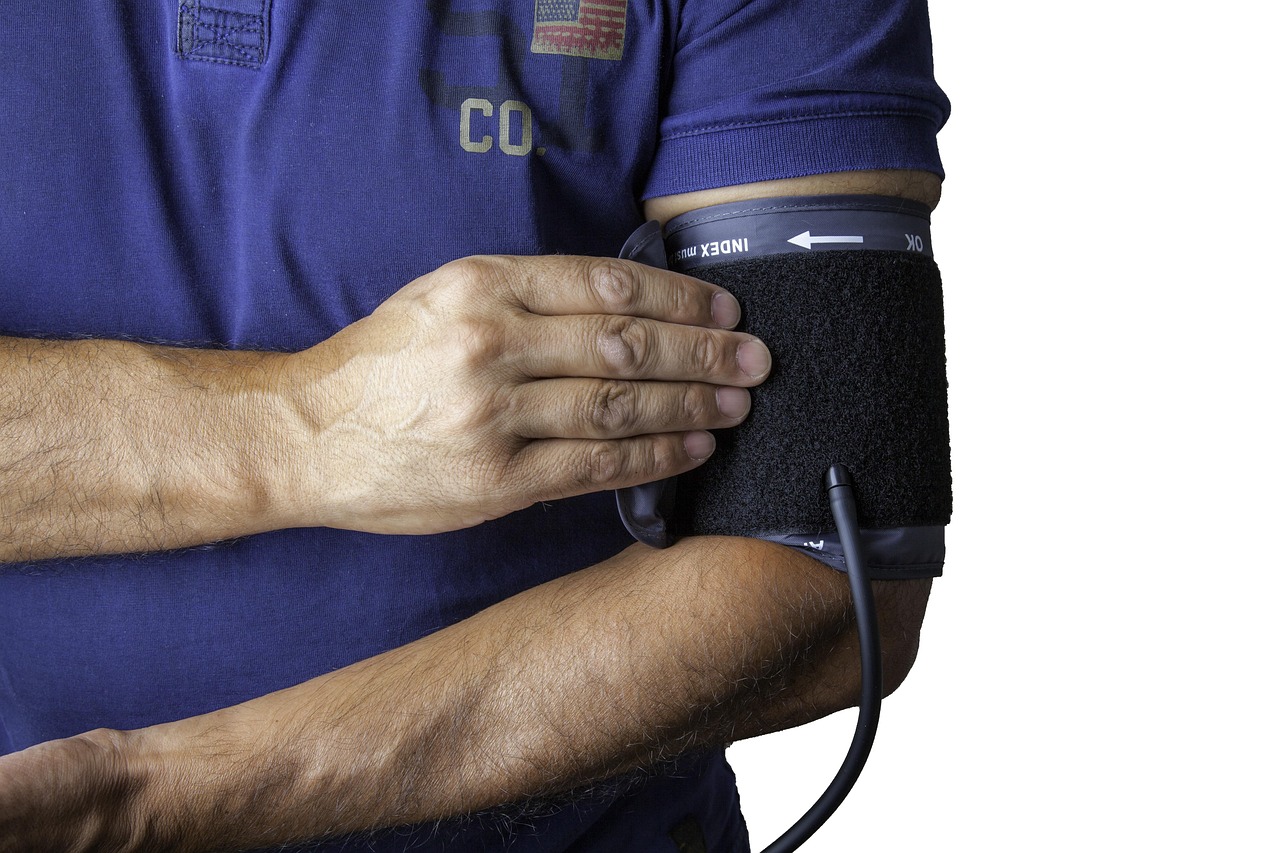
The cardiovascular system responds particularly well to coherence training. Regular practitioners often experience normalized blood pressure, improved heart-rate variability (a marker of cardiovascular health and longevity), and reduced inflammation markers in blood tests.
Sleep quality frequently improves as the nervous system becomes better regulated. People report falling asleep faster, experiencing fewer nighttime awakenings, and waking feeling more refreshed.
The immune system also benefits from coherence practice. Research indicates that achieving coherence states can increase secretory IgA levels—antibodies that serve as your first line of defense against pathogens.
⚙️ The Fundamental Technique: How to Practice Heart-Rate Coherence Breathing
The basic coherence breathing technique is elegantly simple, though achieving true coherence requires practice and patience. The foundational method involves breathing at a specific rate that naturally promotes heart-rhythm coherence.
The Core Practice
Begin by finding a comfortable seated position with your spine relatively straight but not rigid. You can sit in a chair with feet flat on the floor or cross-legged on a cushion—whatever feels sustainable for 5-10 minutes.
Place one hand on your heart center, the area in the middle of your chest. This simple gesture helps direct your attention inward and creates a tangible connection to your cardiovascular system.
Breathe in slowly through your nose for approximately 5 seconds, then exhale gently through your nose or mouth for approximately 5 seconds. This creates a breathing rate of about 6 breaths per minute—the rate most reliably associated with heart-rate coherence in adults.
As you breathe, imagine the air flowing in and out through your heart area rather than just your nose or mouth. This “heart-focused breathing” is a key component that distinguishes coherence training from simple paced breathing exercises.
After establishing this rhythm, activate a positive emotion such as gratitude, appreciation, care, or compassion. Recall a specific memory, person, pet, or place that naturally evokes this feeling. This emotional component significantly enhances the coherence effect by creating alignment between your heart rhythms and emotional state.
Optimal Practice Duration and Frequency
Research suggests that sessions lasting 5-10 minutes provide substantial benefits, though even 3 minutes can shift your physiological state. Consistency matters more than duration—daily practice yields far better results than occasional longer sessions.
Many practitioners find three sessions daily ideal: morning upon waking to set a positive tone for the day, midday to reset and manage accumulated stress, and evening to promote relaxation before sleep.
🎯 Advanced Techniques and Variations
Once you’ve mastered the basic technique, several variations can deepen your practice or address specific goals.
The Heart Lock-In Technique
This HeartMath method extends the basic practice by maintaining the heart-focused breathing and positive emotion for longer periods—typically 10-15 minutes. The sustained coherence state allows deeper physiological changes and can be particularly effective for addressing chronic stress patterns or emotional processing.
Coherence with Visualization
Combining rhythmic breathing with specific imagery can enhance effects. Some practitioners visualize golden light flowing into the heart with each inhalation and radiating throughout the body with each exhalation. Others imagine stress or tension leaving the body as dark smoke with each out-breath.
Resonance Frequency Breathing
While 6 breaths per minute works for most people, your personal resonance frequency—the rate that produces maximum heart-rate variability—may differ slightly. Some individuals achieve optimal coherence at 5.5 or 6.5 breaths per minute. Biofeedback devices can help identify your personal resonance frequency for customized practice.
Technology Tools to Enhance Your Practice
While coherence breathing requires no equipment, various technologies can provide feedback that accelerates learning and deepens practice.
Biofeedback Devices and Apps
Several smartphone apps and wearable devices measure heart-rate variability in real-time, providing visual or auditory feedback showing when you achieve coherence. This immediate feedback helps you understand what coherence feels like, making it easier to achieve intentionally.
Popular options include finger sensors that connect to your smartphone and chest strap monitors that track HRV continuously. These tools transform an invisible physiological process into something you can see and measure, which many people find motivating and educational.
Guided Audio Programs
Recorded sessions with voice guidance and paced breathing tones help maintain proper rhythm, especially when learning. Many practitioners use these recordings daily, finding that the structure supports consistency and depth.
💡 Integrating Coherence Practice into Daily Life
The true power of coherence training emerges when you integrate it beyond formal practice sessions into everyday situations.
Quick Coherence for Acute Stress
When you encounter a stressful situation—a difficult conversation, traffic jam, or work deadline—you can employ a mini-coherence technique. Take 2-3 heart-focused breaths while activating a positive feeling. This brief intervention can shift your physiological state within 30-60 seconds, helping you respond rather than react.
Coherence Before Important Events
Athletes, performers, and business professionals increasingly use coherence techniques as pre-performance preparation. Five minutes of practice before a presentation, interview, or competition can optimize your physiological state for peak performance.
Creating Environmental Cues
Setting reminders on your phone, placing visual cues in your workspace, or linking practice to existing habits (like before meals) helps establish consistency. Some people practice during their commute, while waiting in lines, or during commercial breaks when watching television.
🧠 The Neuroscience Connection: How Breathing Influences Brain Function
The breath-brain connection operates through multiple pathways that researchers are still mapping. The vagus nerve, which runs from the brainstem through the neck and chest to the abdomen, serves as a primary communication highway between your breathing patterns and brain activity.
When you practice coherent breathing, you stimulate vagal tone—the strength and efficiency of vagus nerve signaling. Higher vagal tone correlates with better emotional regulation, social connection, and stress resilience. This explains why regular practitioners often report feeling more emotionally balanced and socially at ease.
Coherent breathing also influences brainwave patterns, promoting increased alpha and theta wave activity associated with relaxed alertness and creative thinking. This neurological shift explains the improved focus and problem-solving abilities many practitioners experience.
Common Challenges and How to Overcome Them
Despite the simplicity of coherence breathing, beginners often encounter obstacles that can be navigated with proper understanding.
Difficulty Maintaining Focus
Mind wandering is completely normal, especially when beginning. Rather than becoming frustrated, simply notice when your attention drifts and gently return focus to your breath and heart area. This returning is the practice—not maintaining perfect concentration.
Breathing Rhythm Feels Uncomfortable
If 5-second inhales and exhales feel forced, adjust slightly. Some people need 4 seconds, others 6. The goal is smooth, comfortable breathing that you can sustain without strain. Coherence emerges from ease, not effort.
Struggling to Access Positive Emotions
If generating gratitude or appreciation feels difficult, start with something simple and genuine—perhaps appreciation for a warm shower, a comfortable bed, or a pet. Even mild positive feelings create beneficial effects. With practice, accessing these emotions becomes easier.
Inconsistent Practice
Building a new habit requires structure. Start with just one session daily at the same time and place. Once this becomes automatic, add additional sessions. Linking practice to existing habits (like your morning coffee) creates powerful behavior chains.
🌟 Real-World Applications Across Different Populations
Heart-rate coherence training has found applications across diverse populations and settings, demonstrating its versatility and effectiveness.
Healthcare Settings
Hospitals and clinics increasingly teach coherence techniques to patients with cardiovascular disease, chronic pain, anxiety disorders, and PTSD. The practice complements medical treatment while empowering patients with self-regulation skills.
Educational Environments
Schools implementing coherence programs report improved student focus, reduced behavioral issues, and better test performance. Teachers use the techniques to manage classroom stress and model emotional regulation.
Corporate Wellness Programs
Forward-thinking companies offer coherence training to reduce employee burnout, enhance productivity, and improve workplace culture. The practice helps professionals manage high-pressure environments while maintaining wellbeing.
Athletic Performance
Elite athletes and coaches recognize that mental-emotional state significantly impacts physical performance. Coherence training helps athletes achieve optimal pre-competition states, recover from setbacks, and maintain composure under pressure.
Building a Sustainable Long-Term Practice
Like any skill, coherence breathing becomes more effective and accessible with consistent practice. The benefits accumulate over time, with many practitioners reporting that effects become more profound after several months of regular engagement.
Tracking your practice helps maintain motivation and reveals patterns. Simple journal entries noting how you feel before and after sessions can highlight progress that might otherwise go unnoticed.
Connecting with others who practice creates accountability and shared learning. Online communities, local groups, or practice partners can provide support during challenging periods and celebration during breakthroughs.
Remember that coherence training is not about perfection but progression. Some sessions will feel powerful and transformative; others may feel ordinary. Both contribute to the cumulative benefits that emerge from sustained practice.
🎁 Your Pathway to Integrated Wellness
Heart-rate coherence breathing represents far more than another wellness trend—it’s a scientifically-validated approach to accessing your innate capacity for self-regulation and optimal functioning. By learning to consciously influence the dialogue between your heart, brain, and nervous system, you gain practical tools for navigating life’s challenges with greater ease and resilience.
The beauty of this practice lies in its accessibility. You need no special equipment, no gym membership, no extensive training. Your breath and attention are always available, ready to guide you back to balance whenever life pulls you off center.
As you develop your coherence practice, you may discover that the benefits extend beyond stress management and improved health. Many practitioners report enhanced intuition, deeper connections in relationships, and a greater sense of inner peace. These subjective experiences, while difficult to quantify, often prove the most meaningful outcomes.
Begin where you are. Even a single coherent breath creates a positive shift in your physiology. With consistent practice, these moments of coherence expand, gradually transforming not just how you respond to specific stressors but your baseline state of being. The journey from reactive to responsive, from scattered to centered, unfolds one breath at a time.