
In our fast-paced world filled with constant notifications, deadlines, and stress, finding moments of genuine calm can feel impossible. Box breathing offers a scientifically-backed solution that you can practice anywhere, anytime.

This ancient technique, used by Navy SEALs, athletes, and meditation practitioners worldwide, has the power to transform your mental state in just minutes. Whether you’re facing a high-pressure presentation, struggling with anxiety, or simply need to reset your mind, box breathing provides an accessible pathway to inner peace and mental clarity.
🧘 What Is Box Breathing and Why Does It Work?
Box breathing, also known as square breathing or four-square breathing, is a controlled breathing technique that involves inhaling, holding, exhaling, and holding again for equal counts. The practice gets its name from the visual representation of a box or square, with each side representing one phase of the breathing cycle.
The mechanism behind box breathing’s effectiveness lies in its impact on your autonomic nervous system. When you’re stressed, your sympathetic nervous system activates the fight-or-flight response, increasing heart rate and cortisol levels. Box breathing deliberately engages your parasympathetic nervous system, which controls rest-and-digest functions, effectively counteracting stress responses.
Research published in the journal Frontiers in Psychology demonstrates that controlled breathing techniques like box breathing can reduce stress markers, lower blood pressure, and improve emotional regulation. The equal duration of each breathing phase creates a rhythmic pattern that helps synchronize your heart rate variability, promoting a state of physiological coherence associated with improved cognitive function and emotional stability.
💪 The Science Behind Breathwork and Mental Performance
Your breathing pattern directly influences your brain chemistry and neural activity. When you practice box breathing, you’re essentially hacking your body’s stress response system through voluntary control of an otherwise automatic process.
The technique increases oxygen delivery to your brain while simultaneously activating the vagus nerve, the longest cranial nerve that serves as a communication highway between your brain and major organs. This activation triggers the release of neurotransmitters like acetylcholine, which promotes calmness and reduces inflammation throughout your body.
Studies conducted on military personnel show that regular box breathing practice enhances focus, decision-making under pressure, and emotional resilience. Athletes use this technique to enter optimal performance states, while executives rely on it to maintain composure during critical business negotiations.
How Box Breathing Affects Your Brain Waves
The rhythmic nature of box breathing influences your brainwave patterns, shifting you from beta waves (associated with active thinking and stress) toward alpha and theta waves (linked to relaxation and creativity). This shift creates the mental space necessary for clear thinking and innovative problem-solving.
📝 Step-by-Step Guide to Perfect Box Breathing
Mastering box breathing requires understanding the basic technique and gradually building your practice. Here’s your comprehensive guide to getting started and refining your skill over time.
The Basic Four-Count Technique
Begin with a four-second count for each phase. This duration works well for beginners and provides significant benefits without overwhelming your system. As you become more comfortable, you can extend to five, six, or even eight-second counts.
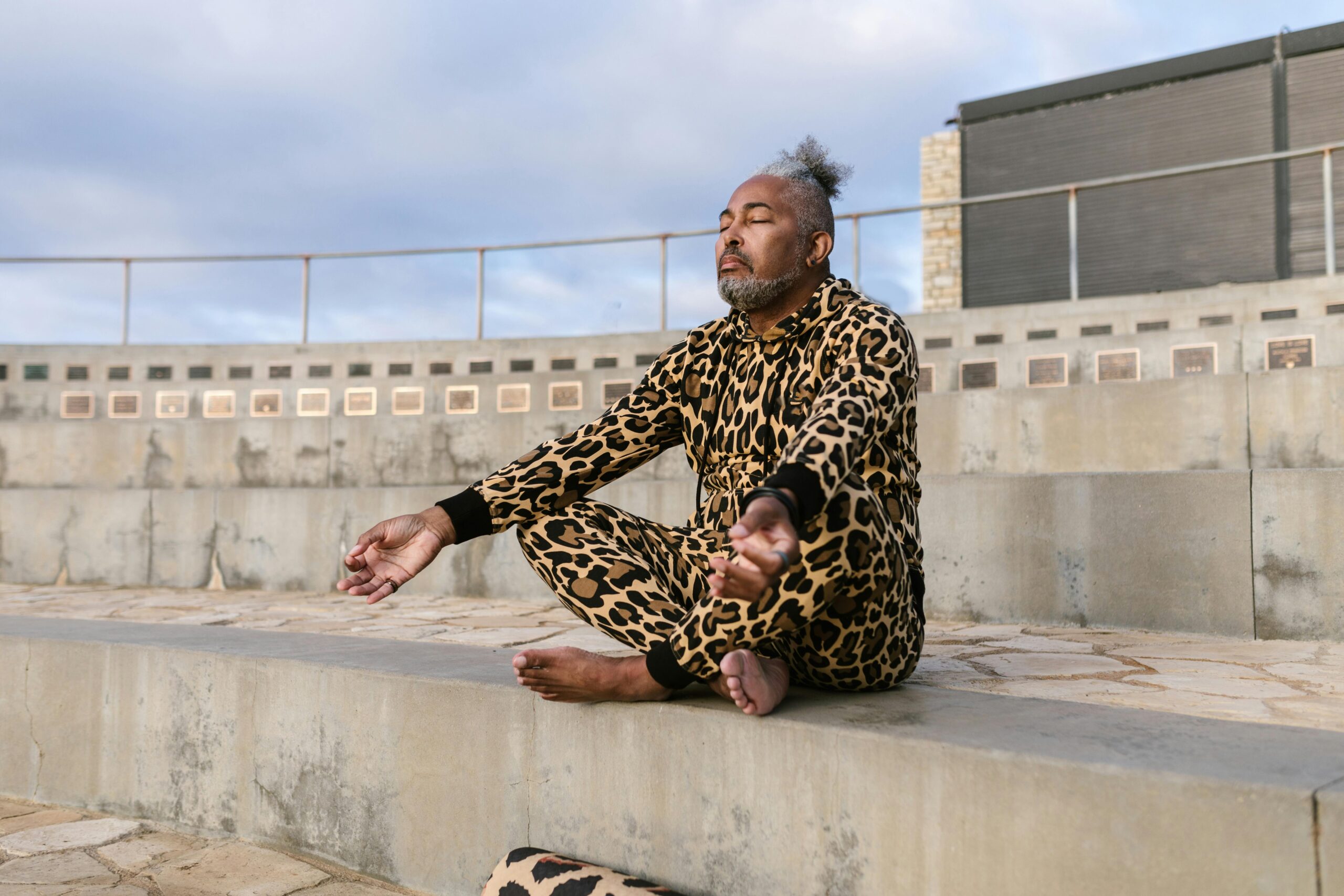
Step 1: Find Your Position – Sit comfortably in a chair with your feet flat on the floor, or lie down on your back. Keep your spine straight but not rigid. Rest your hands on your lap or by your sides. Close your eyes or maintain a soft gaze downward.
Step 2: Empty Your Lungs – Before beginning the box pattern, exhale completely through your mouth, releasing all the air from your lungs. This creates a clean slate for your practice.
Step 3: Inhale for Four – Breathe in slowly through your nose for a count of four. Feel your belly expand first, then your chest. Imagine filling your lungs from bottom to top like pouring water into a glass.
Step 4: Hold for Four – Retain the breath for four seconds. Keep your throat and chest relaxed. Don’t clench or create tension. Simply pause with fullness.
Step 5: Exhale for Four – Release the breath slowly through your mouth for four seconds. Empty your lungs completely, feeling your belly draw inward and your chest relax downward.
Step 6: Hold Empty for Four – Pause with empty lungs for four seconds. This phase often feels most challenging for beginners but becomes comfortable with practice.
Step 7: Repeat the Cycle – Continue this pattern for at least four complete rounds, ideally working up to five minutes of continuous practice.
🎯 Visualization Technique to Enhance Your Practice
Mental imagery significantly enhances the effectiveness of box breathing. As you practice, visualize tracing the outline of a box. Start at the bottom left corner, moving upward as you inhale, across the top as you hold, down the right side as you exhale, and along the bottom as you hold empty.
Some practitioners assign colors to each phase—blue for inhaling (cooling, calming), white for the first hold (purity, fullness), red for exhaling (releasing stress), and black for the second hold (emptiness, potential). Experiment to find what resonates with you.
⚡ When and Where to Practice Box Breathing
The beauty of box breathing lies in its versatility. Unlike many relaxation techniques that require specific environments or equipment, you can practice this method virtually anywhere, anytime you need mental recalibration.
Morning Energy and Focus
Start your day with five minutes of box breathing before checking your phone or email. This practice sets a calm, intentional tone for the hours ahead and primes your nervous system for optimal performance. Many successful entrepreneurs and athletes incorporate morning breathwork into their routines alongside meditation or exercise.
Pre-Performance Preparation
Whether you’re about to give a presentation, enter a difficult conversation, or compete in an athletic event, three to five minutes of box breathing can transform your mental state. The technique reduces performance anxiety while maintaining the alertness necessary for peak execution.
Midday Reset and Productivity Boost
Combat the afternoon slump with a quick box breathing session. When you notice your focus drifting or stress building, take a brief break to practice. Two to three minutes can significantly improve concentration and decision-making for the remainder of your workday.
Evening Wind-Down Routine
Practice box breathing 30-60 minutes before bed to transition from daily stress into restorative sleep. The technique activates your parasympathetic nervous system, signaling to your body that it’s safe to relax and prepare for rest.
🔄 Common Mistakes and How to Avoid Them
Even with a simple technique like box breathing, certain pitfalls can reduce effectiveness or create discomfort. Being aware of these common errors helps you maximize benefits while maintaining a sustainable practice.
Breathing Too Shallowly: Many beginners breathe only into their upper chest, missing the diaphragmatic engagement that creates maximum benefit. Focus on expanding your belly first, allowing your diaphragm to fully descend and create space for complete inhalation.
Creating Tension During Holds: Some practitioners clench their throat or chest muscles during retention phases. The holds should feel effortless, like pausing a video—neither forcing nor straining. If you experience discomfort, reduce your count duration.
Inconsistent Counting Speed: Your count should maintain a steady rhythm throughout all four phases. Many people unconsciously speed up during uncomfortable phases. Consider using a metronome app or counting “one-one-thousand, two-one-thousand” to maintain consistency.
Starting With Too Long Counts: Ambition can sabotage your practice. If you begin with eight-second counts and struggle, you’ll likely abandon the technique. Start conservatively with three or four-second counts, building duration gradually as your capacity increases.
Practicing Only When Stressed: Box breathing works best when you’ve developed the skill during calm moments, then apply it during stress. Trying to learn the technique in the midst of a panic attack is like attempting to learn to swim while drowning.
📱 Tools and Apps to Support Your Practice
While box breathing requires no equipment, certain tools can help you maintain rhythm, track progress, and stay motivated as you build your practice habit.
Breathing apps provide visual guides, customizable timing, and reminders to practice throughout your day. Many offer various breathing patterns beyond box breathing, allowing you to explore different techniques as you advance. Some popular options include dedicated breathwork applications that feature guided sessions with adjustable counts and calming background sounds.
Simple timer apps also work effectively if you prefer a minimalist approach. Set interval timers for your chosen count duration and focus entirely on the breathing without visual distractions. This method works particularly well once you’ve mastered the basic rhythm and no longer need guidance.
🌟 Advanced Variations and Progressive Techniques
Once you’ve established comfort with the basic four-count box breathing pattern, several variations can deepen your practice and address specific goals.
Extended Count Box Breathing
Gradually increase your count from four to five, six, seven, or even eight seconds per phase. Longer counts create more pronounced physiological effects, though they require greater lung capacity and comfort with breath retention. Progress slowly, adding one second only when your current duration feels completely effortless.
Unequal Box Breathing
While traditional box breathing uses equal counts, variations with longer exhales (such as 4-4-6-4 or 4-4-8-2) create even stronger relaxation responses. The extended exhale activates your parasympathetic nervous system more intensely, making this variation ideal for sleep preparation or anxiety management.
Box Breathing With Intention Setting
Combine your physical practice with mental focus by assigning intentions to each phase. For example: inhale confidence, hold gratitude, exhale stress, hold possibility. This integration creates a meditation-breathwork hybrid that addresses both physiological and psychological aspects of wellbeing.
💡 Integrating Box Breathing Into Your Lifestyle
Sustainable practice comes from integration, not addition. Rather than viewing box breathing as another task on your to-do list, weave it into existing routines and activities.
Practice while waiting—in line at the coffee shop, sitting in traffic, or before meetings start. These micro-moments of otherwise wasted time become opportunities for nervous system regulation and mental clarity. Over weeks and months, these brief sessions accumulate into significant stress reduction and improved emotional regulation.
Combine box breathing with other wellness practices for synergistic effects. Practice before meditation to settle your mind more quickly. Use it during yoga to deepen your mind-body connection. Apply it during massage or other bodywork to enhance relaxation and tissue release.
Building a Consistent Practice Habit
Habit formation research shows that consistency matters more than duration. Five minutes daily creates more lasting change than sporadic 30-minute sessions. Link your box breathing practice to an existing habit—after brushing your teeth, before your morning coffee, or when you first sit at your desk.
Track your practice using a simple calendar or habit-tracking app. Seeing your streak build creates momentum and motivation to continue. Notice how you feel on days you practice versus days you skip, allowing the benefits themselves to reinforce the behavior.
🎭 Real-World Applications Across Different Scenarios
Understanding how to apply box breathing in various life situations maximizes its practical value and demonstrates its versatility as a self-regulation tool.
Managing Acute Anxiety or Panic
When anxiety strikes, your breathing typically becomes rapid and shallow, perpetuating the stress response. Box breathing interrupts this cycle by giving your mind a focal point and your body a physiological off-switch. Start with shorter counts if a four-second duration feels overwhelming during acute stress.
Improving Sleep Quality
Practice box breathing in bed as part of your sleep routine. The technique quiets racing thoughts and prepares your nervous system for rest. If you wake during the night, use gentle box breathing to return to sleep without the frustration that often accompanies insomnia.
Enhancing Athletic Performance
Athletes use box breathing between sets, before competitions, and during recovery periods. The practice improves oxygen efficiency, reduces performance anxiety, and speeds recovery by activating restorative physiological processes. Many professional teams now incorporate breathwork training into their conditioning programs.
Supporting Difficult Conversations
Before entering a challenging discussion—whether personal or professional—practice box breathing to center yourself emotionally. This preparation helps you respond thoughtfully rather than react impulsively, maintaining composure even when conversations become heated or emotional.
🌈 The Long-Term Benefits of Regular Practice
While box breathing provides immediate stress relief, the most profound benefits emerge through consistent long-term practice. Regular practitioners report transformative changes across multiple life dimensions.
Your baseline stress levels decrease as your nervous system becomes more resilient and adaptable. Situations that previously triggered strong anxiety responses feel more manageable. You develop greater emotional regulation, experiencing feelings fully while maintaining perspective and choice in how you respond.
Cognitive function improves as well. Many practitioners notice enhanced focus, better memory, and improved decision-making. The mental clarity that comes from regular breathwork creates space for creativity and insight that busy, stressed minds cannot access.
Physical health benefits accompany the mental improvements. Lower blood pressure, improved immune function, reduced inflammation, and better sleep quality all result from regular nervous system regulation through conscious breathing practices.
🚀 Taking Your First Steps Toward Mastery
Mastery of box breathing doesn’t require years of practice or special abilities. The technique is accessible to everyone, regardless of age, fitness level, or previous experience with meditation or breathwork. What it does require is willingness to practice consistently and patience with your progress.
Start today with just one box breathing session. Set a timer for five minutes, find a comfortable position, and work through the steps outlined above. Notice how you feel afterward compared to before. This simple comparison creates the experiential evidence that motivates continued practice.
Remember that every expert was once a beginner. The Navy SEALs who use this technique to maintain composure in life-or-death situations started exactly where you are now. The difference lies not in innate ability but in consistent practice and application.
As you develop your box breathing practice, you’re not just learning a technique—you’re reclaiming agency over your mental and emotional state. In a world that constantly demands your attention and energy, this simple practice offers genuine refuge and renewal. You carry this powerful tool with you always, ready to deploy whenever you need to recenter, refocus, and recharge your mind.