
Movement is the foundation of vitality, yet most of us struggle to incorporate enough physical activity into our daily lives. The key to lasting change isn’t found in exhausting workout routines or restrictive fitness programs, but in simple, trackable movement habits that seamlessly blend into your everyday existence.

Our bodies were designed to move, but modern lifestyles have turned us into sedentary beings. We sit at desks, commute in cars, and relax on couches, barely scratching the surface of our physical potential. The good news? Transforming your daily routine doesn’t require dramatic overhauls or expensive gym memberships. What it does require is intentional habit tracking and a commitment to consistent, manageable movement throughout your day.
🎯 Why Movement Habit Tracking Changes Everything
Traditional fitness approaches often fail because they rely solely on motivation, which naturally fluctuates. Habit tracking, however, creates a system that works regardless of how you feel on any given day. When you track your movement habits, you’re essentially creating a visual accountability system that transforms abstract intentions into concrete actions.
Research consistently shows that people who track their physical activity are significantly more likely to maintain consistent exercise routines. The act of tracking itself serves multiple purposes: it increases awareness of your current activity levels, provides motivation through visible progress, and helps identify patterns that either support or undermine your health goals.
The beauty of movement habit tracking lies in its simplicity. You’re not measuring complex metrics or obsessing over calories burned. Instead, you’re building awareness around fundamental behaviors: how often you stand, how many steps you take, whether you stretched today, or if you incorporated any intentional movement into your morning routine.
🚶 Starting Small: The Foundation of Sustainable Change
The biggest mistake people make when trying to become more active is starting too ambitiously. They commit to hour-long gym sessions five days a week when they’ve been sedentary for years. This approach almost always leads to burnout, injury, or abandonment within weeks.
Instead, focus on micro-habits—movements so small they feel almost trivial. These might include:
- Standing up and stretching every hour while working
- Taking the stairs instead of the elevator once per day
- Doing five squats before making your morning coffee
- Walking during phone calls
- Parking farther away from store entrances
- Performing desk stretches during work breaks
These tiny actions might not seem significant individually, but their cumulative effect over weeks and months is transformative. More importantly, they’re sustainable. You can do them regardless of your energy level, schedule constraints, or weather conditions.
📱 Digital Tools That Make Tracking Effortless
While pen-and-paper tracking works perfectly well, digital habit tracking apps offer convenience and additional features that enhance your movement journey. These tools provide reminders, visual progress charts, and often include community features that add an element of social accountability.
When selecting a habit tracking app, look for simplicity over complexity. The best apps allow you to log your habits in seconds, not minutes. They should provide clear visual feedback on your progress and make it easy to maintain streaks—consecutive days of completing your target habits.
Many smartphones also come with built-in health apps that automatically track steps and basic movement. While these aren’t true habit trackers, they provide valuable baseline data about your daily activity levels. Use this information to set realistic initial goals that challenge you without overwhelming you.
🏃 Building Your Personal Movement Matrix
Not all movement is created equal, and your personal movement routine should reflect your unique lifestyle, preferences, and physical capabilities. The movement matrix approach helps you ensure variety while maintaining consistency across different activity categories.
Consider tracking habits across these movement dimensions:
- Flexibility: Stretching, yoga, mobility work
- Cardiovascular: Walking, jogging, dancing, cycling
- Strength: Bodyweight exercises, resistance training, carrying groceries
- Balance: Single-leg stands, tai chi, balance board work
- Daily living: Housework, gardening, active commuting
You don’t need to hit every category daily. Instead, aim for a balanced distribution throughout your week. Perhaps you focus on flexibility every morning, incorporate strength movements three times weekly, and ensure cardiovascular activity happens naturally through daily walks or active transportation.
⏰ Strategic Timing: When to Move for Maximum Impact
The timing of your movement matters more than you might think. Strategic placement of physical activity throughout your day can enhance energy levels, improve focus, and make habit adherence significantly easier.
Morning movement, even just five minutes, sets a positive tone for the entire day. It activates your metabolism, sharpens mental clarity, and creates momentum that often leads to better choices throughout the day. This doesn’t mean intense workouts—simple stretching, light yoga, or a short walk accomplishes these benefits.
Mid-day movement breaks combat the afternoon energy slump that plagues office workers. A brief walk after lunch, desk exercises, or even standing while working can prevent the post-meal lethargy and improve afternoon productivity. Track these midday movement moments to ensure you’re breaking up prolonged sitting periods.
Evening movement serves a different purpose: stress relief and transition from work mode to personal time. Gentle activities like walking, stretching, or recreational sports help decompress from daily pressures without interfering with sleep quality—provided you finish at least two hours before bedtime.
📊 Measuring What Matters: Beyond Step Counts
While step counts have become the default movement metric, they tell an incomplete story. Someone who walks 10,000 steps but sits motionless for the remaining 14 waking hours isn’t as active as someone with 7,000 steps distributed throughout the day with regular movement breaks.
Consider tracking these alternative movement indicators:
- Number of times you stood up from sitting (aim for once per hour minimum)
- Minutes spent in continuous movement
- Consistency streaks (consecutive days with any intentional movement)
- Variety of movement types performed weekly
- How you feel after movement sessions (energy, mood, pain levels)
This broader approach to measurement creates a more comprehensive picture of your actual activity levels and helps identify opportunities for improvement that pure step counting misses.
🧠 The Psychology of Streaks and Rewards
Human psychology is wired to respond to visual progress indicators and reward systems. This is why habit tracking apps with streak features are so effective—they tap into our intrinsic desire not to “break the chain” once we’ve built momentum.
A movement streak doesn’t need to represent perfect execution. Life happens, and rigid all-or-nothing thinking sabotages long-term success. Instead, define your streak as “did something active today,” setting the bar low enough that completion is almost always possible, even on difficult days.
Build personal rewards into your tracking system. After seven consecutive days of hitting your movement goals, perhaps you enjoy a favorite healthy treat, watch a movie guilt-free, or take a relaxing bath. After 30 days, maybe you invest in new workout clothes or equipment that supports your next phase of activity.
These rewards reinforce the positive feedback loop, making movement feel like something you get to do rather than something you have to do—a critical mindset shift for sustainable lifestyle change.
🏠 Environmental Design: Making Movement the Path of Least Resistance
Your environment significantly influences your behavior, often in ways you don’t consciously recognize. By intentionally designing your spaces to encourage movement, you reduce the willpower required to stay active.
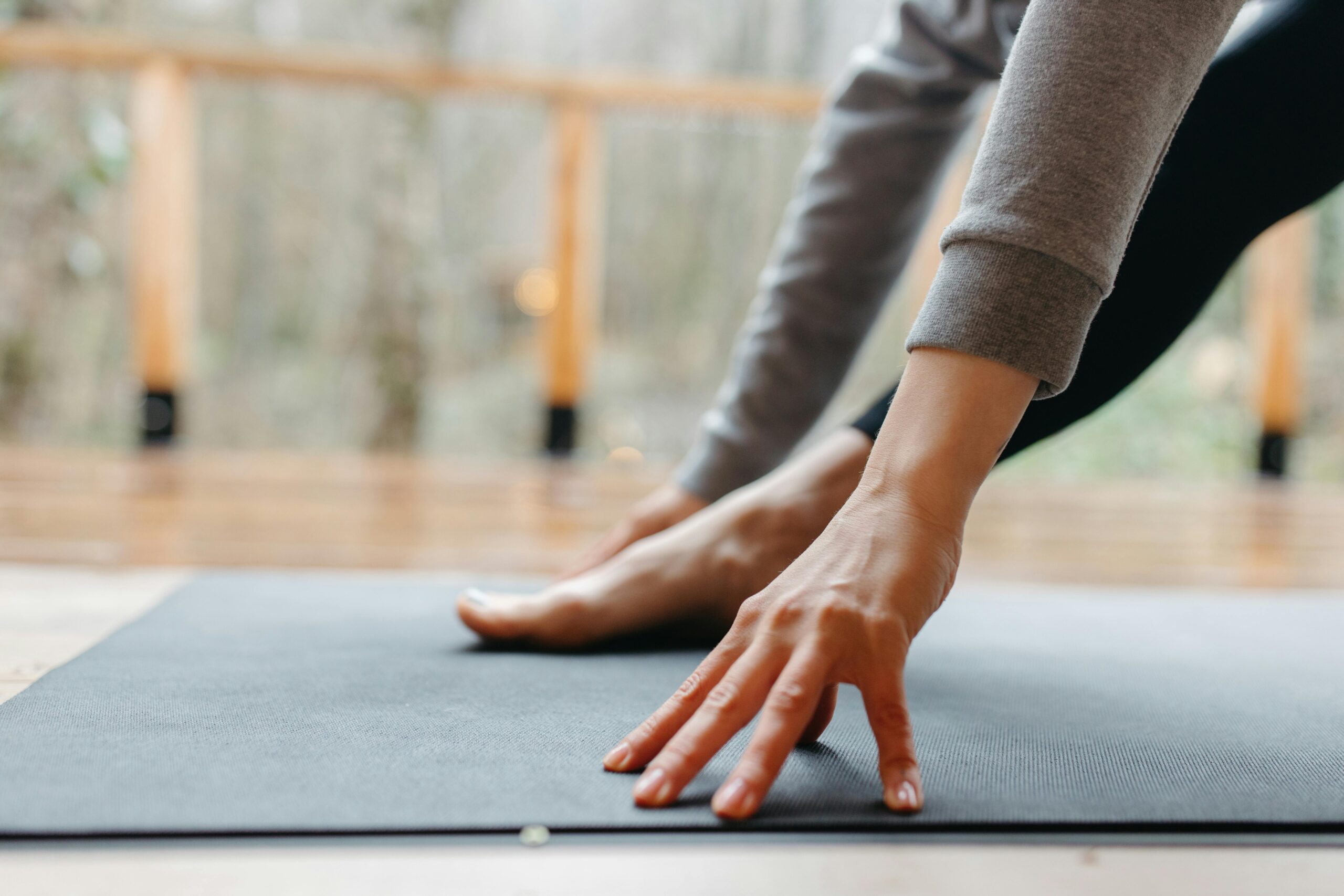
Simple environmental modifications include keeping a yoga mat permanently rolled out in a visible location, placing resistance bands on your desk, storing your phone charger across the room so you must stand to use it, or keeping walking shoes by the door as a visual reminder.
At work, position your printer, water source, and trash bin at distances that require standing and walking. Use a smaller water glass that needs refilling more frequently. If you work from home, consider conducting certain tasks while standing or walking, such as phone calls or review of documents.
These environmental cues work because they eliminate decision fatigue. The movement opportunity is literally in front of you, requiring minimal thought or planning to execute.
👥 Social Accountability: Movement as a Shared Experience
While personal tracking is powerful, adding a social dimension amplifies results. Sharing your movement goals with friends, family, or online communities creates external accountability that sustains motivation when internal drive wavers.
This doesn’t mean broadcasting every workout or becoming annoying on social media. Instead, find an accountability partner who shares similar goals. Exchange daily check-ins about whether you completed your target habits. The simple act of reporting to someone else dramatically increases follow-through rates.
Many habit tracking apps include community features, challenges, or the ability to share progress with selected friends. These features transform solitary habit-building into a shared journey, providing encouragement during struggles and celebration during successes.
Consider joining walking groups, recreational sports leagues, or fitness classes—not primarily for the activity itself, but for the social commitment. You’re far more likely to show up when others expect your presence than when accountability is purely self-imposed.
🔄 Adapting Your Tracking as Life Changes
Your movement habits and tracking methods should evolve as your fitness level, schedule, and life circumstances change. What works brilliantly for three months might need adjustment as seasons change, work demands shift, or your capabilities improve.
Regularly review your tracking data—monthly works well for most people. Look for patterns: Which habits are you consistently completing? Which ones constantly fall through? Are there specific days or times when adherence drops?
Use this information to refine your approach. Perhaps Saturday mornings consistently see low activity because you’re catching up on sleep. Rather than fighting this pattern, shift your weekend movement goal to Saturday afternoon or make Sunday your primary active day.
As movement becomes more ingrained, you might increase difficulty or variety. The person who struggled to stretch for two minutes daily might naturally progress to 10-minute mobility sessions. Track this evolution—it provides powerful evidence of your growth and capability.
💪 Overcoming Common Movement Tracking Obstacles
Even with the best systems, obstacles inevitably arise. Anticipating common challenges and having predetermined responses dramatically improves long-term success rates.
When motivation disappears, rely on your tracking system rather than feelings. Simply check the box, complete the minimum version of your habit, and trust the process. Often, starting is the hardest part, and momentum builds once you’re in motion.
When injury or illness strikes, adjust rather than abandon. Perhaps your walking habit becomes gentle stretching, or your strength routine transforms into mobility work until full recovery. Maintaining the tracking habit itself, even if the specific activity changes temporarily, preserves the behavioral pattern.
When boredom sets in, inject variety without abandoning structure. Keep your core movement commitments but explore new activities—try a different walking route, experiment with dance videos, or test out an outdoor activity you’ve been curious about.
🌟 Celebrating Non-Scale Victories in Your Movement Journey
The most meaningful benefits of consistent movement often have nothing to do with weight, appearance, or traditional fitness metrics. Your tracking system should help you notice and celebrate these broader health improvements.
Pay attention to how movement affects your energy levels throughout the day. Notice improvements in sleep quality, mood stability, and stress management. Track functional improvements like carrying groceries more easily, playing with children without getting winded, or noticing that your usual walking route feels easier.
These non-scale victories often appear before visible physical changes and provide powerful motivation during plateaus. Make noting these observations part of your regular tracking routine—perhaps a weekly reflection on what you’ve noticed beyond the data points.
🎉 Your Movement Revolution Starts Today
Transforming your daily routine through simple movement habit tracking isn’t about perfection or dramatic lifestyle overhauls. It’s about consistent, incremental progress that compounds over time into remarkable results. The person who moves intentionally for just 10 minutes daily will, over a year, accumulate over 60 hours of additional activity—without a single gym membership or grueling workout session.
Start today with a single trackable movement habit. Perhaps it’s morning stretches, a lunchtime walk, or evening mobility work. Choose something genuinely achievable, set up your tracking method, and commit to just seven consecutive days. After that first week, you’ll have momentum, data, and proof that change is possible.
Your body is designed for movement, and reclaiming this fundamental aspect of human health doesn’t require radical measures. It requires awareness, consistency, and the simple act of paying attention to whether you moved today. Everything else—the energy, strength, vitality, and longevity—naturally follows from this foundation.
The most powerful fitness program isn’t found in a gym or purchased from a trainer. It’s the one you’ll actually do, day after day, building a lifestyle where movement isn’t a special event but simply what you do. Your tracking system makes this transformation visible, tangible, and achievable. Start tracking, start moving, and watch as your daily routine—and your entire life—gradually transforms into something healthier, more active, and genuinely sustainable. 🌈