
In today’s fast-paced world, staying organized isn’t just a luxury—it’s a necessity. Whether you’re managing personal goals, work projects, or daily tasks, choosing the right tracking method can make all the difference.

The debate between paper trackers and digital apps has been ongoing for years, with passionate advocates on both sides. Some swear by the tactile satisfaction of pen on paper, while others can’t imagine life without the convenience of smartphone notifications and cloud syncing. The truth is, there’s no one-size-fits-all solution. Your perfect organizational tool depends on your lifestyle, preferences, and specific needs.
📝 The Timeless Appeal of Paper Trackers
Paper planners, bullet journals, and physical trackers have maintained their popularity despite the digital revolution. There’s something fundamentally satisfying about physically writing down tasks and crossing them off with a real pen. This tangible connection to your organizational system creates a different kind of engagement than tapping on a screen.
Research suggests that handwriting activates different areas of the brain compared to typing, potentially improving memory retention and comprehension. When you write something down by hand, you’re more likely to remember it because the process requires more cognitive engagement. This makes paper trackers particularly effective for learning new information or cementing important commitments in your mind.
The Advantages of Going Old School
Paper trackers offer several compelling benefits that keep them relevant in our digital age. First and foremost is the complete absence of digital distractions. When you open your physical planner, you’re not bombarded with notifications, emails, or the temptation to check social media. This focused environment allows for deeper reflection and more intentional planning.
The customization potential with paper is virtually unlimited. You can create any layout imaginable, switch between different organizational systems freely, and personalize your tracker with colors, stickers, and drawings. Many people find the creative aspect of maintaining a bullet journal or decorated planner to be therapeutic and stress-relieving in itself.
There’s also no learning curve with paper. Everyone knows how to use a notebook and pen. You don’t need to download updates, worry about compatibility issues, or spend time learning new features. The simplicity is refreshing and immediately accessible to anyone, regardless of their technological proficiency.
The Limitations Worth Considering
However, paper trackers aren’t without their drawbacks. The most obvious limitation is portability. While a small notebook might fit in your pocket, comprehensive planners can be bulky and heavy. If you forget your planner at home, you’re essentially disconnected from your entire organizational system for the day.
Paper trackers also lack the ability to send reminders or alerts. You need to remember to check your planner regularly, and there’s no automatic notification system to prompt you about upcoming deadlines or appointments. This puts the entire burden of memory on you, which can be risky when life gets hectic.
Another significant limitation is the inability to search through past entries quickly. Finding a specific note from three months ago means flipping through pages, whereas digital systems can locate information instantly. Similarly, reorganizing tasks or moving items between days requires rewriting, which can be time-consuming and messy.
📱 The Digital Revolution: App-Based Trackers
Digital tracking applications have transformed how millions of people manage their lives. From simple to-do lists to comprehensive project management systems, there’s an app for virtually every organizational need imaginable. The convenience of having all your information synchronized across devices and accessible anywhere has made digital trackers the default choice for many.
Modern productivity apps leverage technology in ways that paper simply cannot. They integrate with other tools, automate repetitive tasks, analyze your productivity patterns, and provide insights that would be impossible to gather manually. This technological advantage represents a fundamental shift in how we approach personal organization.
Why Digital Trackers Dominate Modern Productivity
The primary advantage of app-based trackers is accessibility. Your organizational system lives in your pocket, on your wrist, or in the cloud, available wherever you are. Whether you’re commuting, traveling internationally, or working from a coffee shop, your entire planning system is just a tap away. This ubiquity ensures you’ll never be separated from your task lists and schedules.
Automation is another game-changer. Digital trackers can set recurring tasks automatically, send reminders at specific times or locations, and sync events across calendars. This intelligent assistance reduces the mental load of remembering everything yourself. Many apps also integrate with email, messaging platforms, and other productivity tools, creating a seamless workflow ecosystem.
The search and organizational capabilities of digital trackers far exceed what’s possible with paper. You can instantly find any task, note, or project from months or years ago. Reorganizing your schedule is as simple as dragging and dropping items. You can sort tasks by priority, category, deadline, or any other criteria, and switch between different views instantly.
Popular Digital Tracking Solutions
The app marketplace offers countless options for digital organization. Todoist is one of the most popular task management apps, offering a clean interface with powerful features like natural language input, priority levels, and productivity tracking. It works seamlessly across all platforms and devices.
For those who prefer a visual approach, Trello provides a card-based system that’s intuitive and flexible. It’s particularly effective for managing projects with multiple stages or collaborating with teams. The visual nature makes it easy to see the big picture at a glance.
Notion has gained tremendous popularity for its all-in-one approach, combining notes, tasks, databases, and wikis in a single workspace. Its flexibility allows users to create almost any organizational system they can imagine, though this versatility comes with a steeper learning curve.
The Downsides of Digital Dependence
Despite their advantages, digital trackers have legitimate drawbacks. Screen fatigue is real, and many people spend their entire workday staring at monitors. Adding more screen time for personal organization can feel exhausting rather than helpful. The constant presence of devices can also enable distraction rather than combat it.
Privacy and data security represent genuine concerns. Your personal information, goals, and daily activities are stored on servers owned by companies. While most reputable services have strong security measures, data breaches happen, and you’re trusting third parties with intimate details of your life.
Many powerful features in productivity apps are locked behind subscription paywalls. While basic versions might be free, accessing advanced functionality often requires monthly or annual payments. These costs accumulate, especially if you use multiple specialized apps for different purposes.
Technology can also fail. Apps crash, servers go down, and devices run out of battery. If you’re completely dependent on digital tools and your phone dies during a busy day, you can find yourself completely lost without access to your schedule or task list.
🤔 Making the Choice: Which System Fits Your Life?
Selecting between paper and digital trackers isn’t about which is objectively better—it’s about understanding your personal needs, work style, and circumstances. Different life situations call for different organizational approaches, and what works brilliantly for one person might frustrate another.
Consider Your Work Environment and Lifestyle
If your job involves constant computer use and digital communication, a digital tracker integrates more naturally into your workflow. You can quickly add tasks from emails, sync meetings automatically, and switch between work and planning without changing devices. Conversely, if you work in a hands-on field or prefer to disconnect from screens during planning time, paper might be more appealing.
Your mobility matters too. People who travel frequently, work from multiple locations, or juggle responsibilities between home and office benefit enormously from cloud-synced digital systems. However, if you primarily work from one location and value having a dedicated planning space, a beautiful paper planner on your desk might provide better focus.
Assess Your Technological Comfort Level
Honest self-assessment about your relationship with technology is crucial. If you enjoy exploring new apps, customizing digital tools, and troubleshooting technical issues, you’ll probably thrive with digital trackers. You’ll appreciate the features and won’t be frustrated by occasional glitches or updates.
However, if technology stress you out, if you find apps overwhelming, or if you simply prefer simpler tools, forcing yourself to use a complex digital system will create more problems than it solves. There’s no shame in preferring paper—it’s a legitimate, effective organizational method that has worked for centuries.
🎯 The Hybrid Approach: Best of Both Worlds
An increasingly popular solution is combining paper and digital trackers strategically. This hybrid approach allows you to leverage the strengths of each system while minimizing their respective weaknesses. Many highly organized people have found that the combination works better than either method alone.
A common hybrid system uses digital apps for time-sensitive items like appointments, reminders, and collaborative projects, while maintaining a paper journal for reflection, goal-setting, and creative planning. The digital system handles the logistical heavy lifting, while paper provides space for deeper thinking and personal growth tracking.
Another effective combination is using paper for daily task lists and immediate planning, but maintaining digital archives for long-term reference and searchability. You get the satisfaction and focus of writing by hand for current work, but retain the ability to search through past information when needed.
Creating Your Personalized System
The key to a successful hybrid system is intentionality. Define clear purposes for each component rather than randomly switching between them. You might decide that all meeting notes go in a digital app, but personal reflections belong in a paper journal. Or perhaps work tasks live digitally while personal projects use paper.
Establish simple protocols for transferring information between systems when necessary. For example, you might review your paper notes weekly and digitize anything that needs to be searchable later. Or you could print monthly calendar views from your digital system to include in your paper planner for big-picture perspective.
✨ Finding What Actually Works for You
The most sophisticated organizational system in the world is worthless if you don’t actually use it. The “perfect” tracker is the one you’ll consistently maintain, not the one with the most features or the prettiest design. Consistency beats perfection every time when it comes to staying organized.
Start by experimenting with different approaches without committing to anything long-term. Try a paper planner for a month, then switch to a digital app for another month. Pay attention to how you feel using each system. Which one do you naturally turn to? Which one feels like a chore? Your instincts will tell you a lot about what works for your particular brain.
Remember that your needs will evolve over time. What works during a calm period might not suffice during busy seasons. What’s perfect when you’re single might need adjustment when you have a family. Give yourself permission to change systems as your life changes, and don’t view switching as failure.
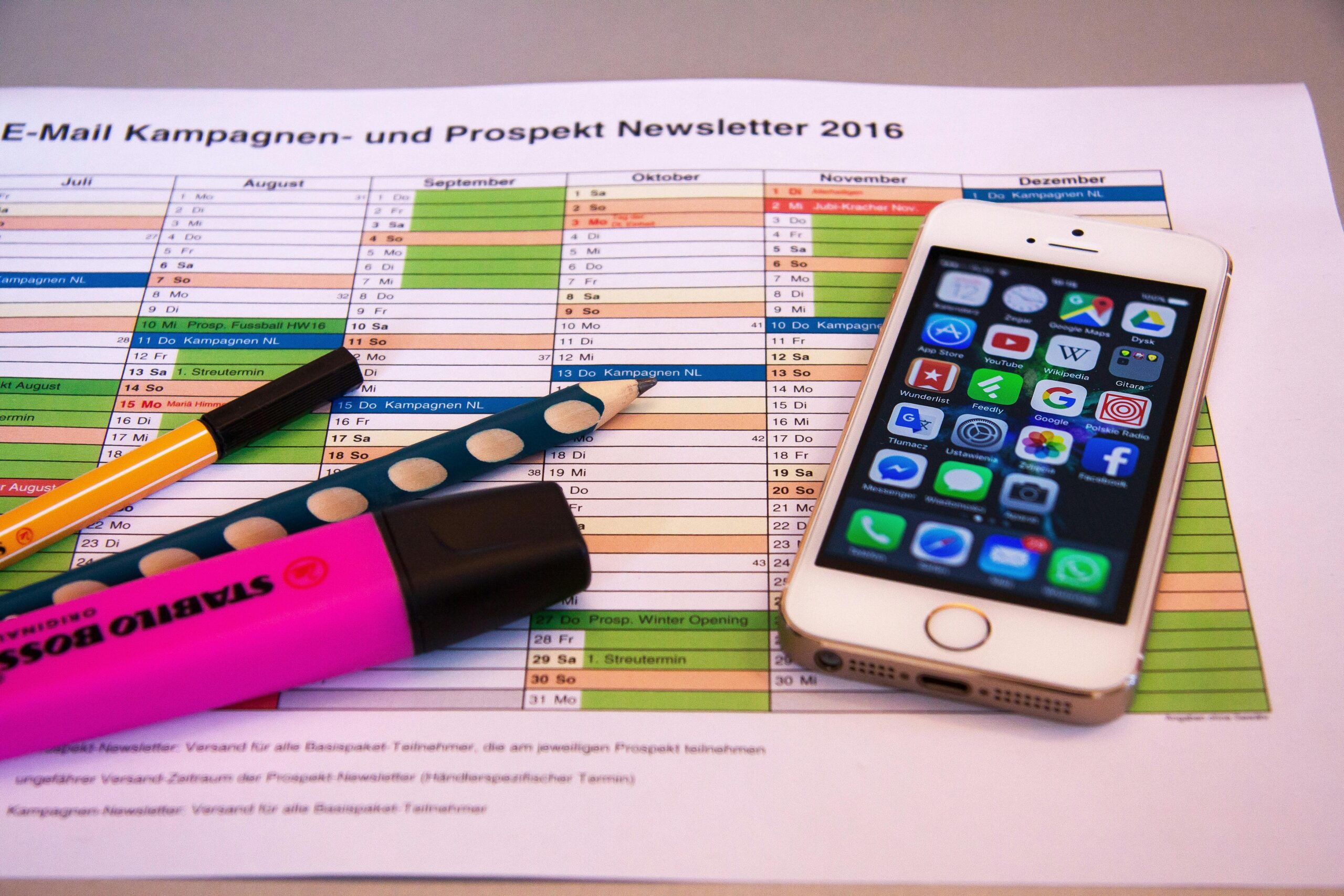
🌟 Your Organizational Journey Starts With Self-Knowledge
Ultimately, the paper versus app debate is less important than understanding yourself. Are you someone who thinks better with pen in hand, or do you prefer the speed of typing? Do you find technology empowering or overwhelming? Do you need reminders and automation, or do you prefer the mindfulness of manual checking?
The best organizational system is the one that reduces your stress rather than adding to it. It should make your life easier, not become another obligation you feel guilty about neglecting. Whether that’s a leather-bound planner, a minimalist app, or some creative combination of both, the choice is deeply personal.
Don’t let anyone shame you for your preferences. There are successful, organized people using every possible method—from elaborate bullet journals to simple text files, from comprehensive project management suites to basic paper calendars. What matters isn’t matching someone else’s system; it’s finding what helps you show up as your best, most organized self.
Take the time to experiment, be honest about your habits and preferences, and choose tools that support the life you want to live. Your perfect tracking system is out there, waiting to help you stay organized and on track toward your goals.