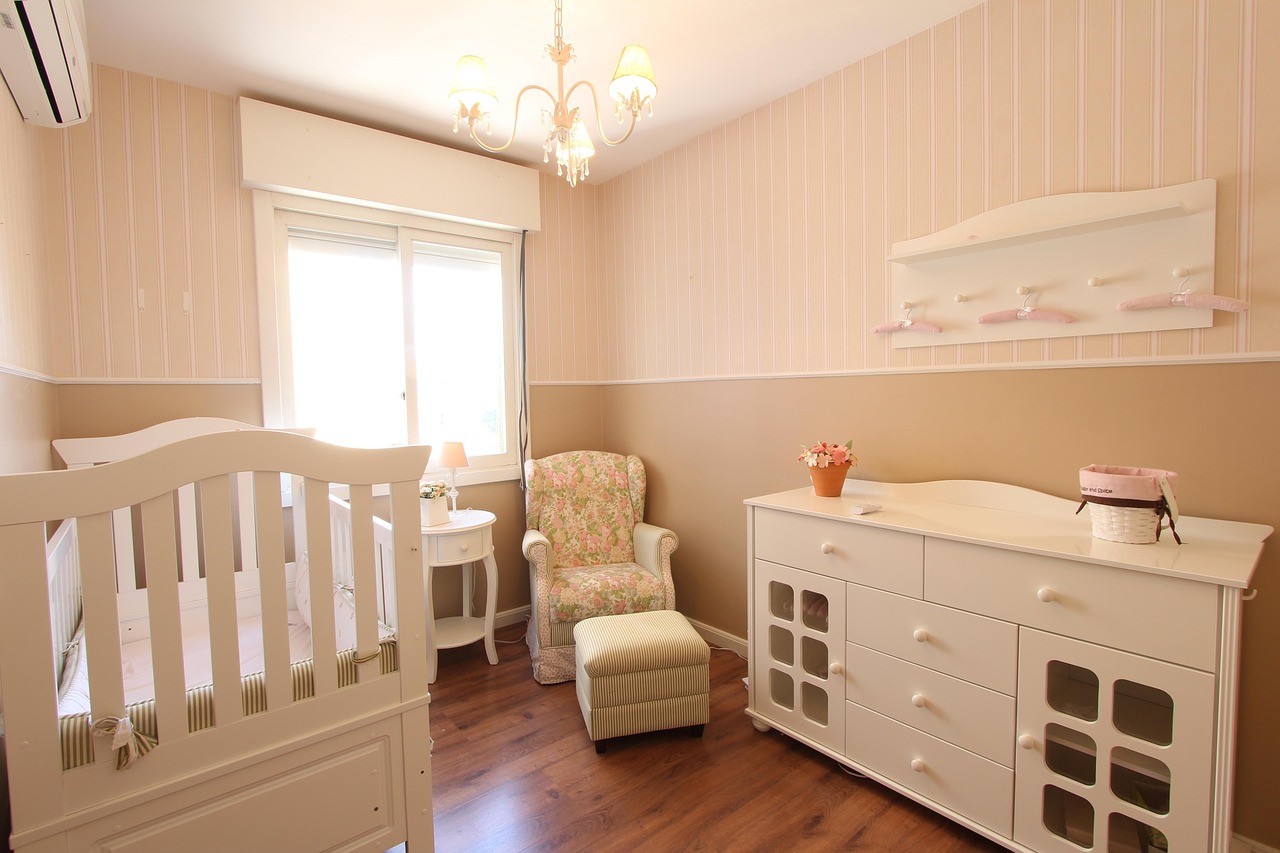
Your surroundings speak to you constantly, whispering messages that shape your mood, energy, and mental clarity. The power of your environment extends far beyond aesthetics—it’s a fundamental tool for psychological well-being that most people overlook.

Every day, you navigate through spaces that either drain or energize you, yet few realize they possess the ability to intentionally design environments that support mental health. The connection between physical space and psychological state isn’t mystical—it’s grounded in neuroscience, psychology, and centuries of human experience. By understanding how environment design influences your brain’s stress response and emotional regulation, you can transform ordinary rooms into sanctuaries that actively promote calm, focus, and happiness.
🧠 The Neuroscience Behind Your Space
Your brain processes environmental information continuously, often without conscious awareness. Visual clutter activates the same stress pathways as genuine threats, triggering cortisol release and creating low-level anxiety that accumulates throughout the day. Research from Princeton University’s Neuroscience Institute demonstrates that physical clutter competes for attention, reducing cognitive performance and increasing stress levels.
When you enter a well-designed space, your nervous system responds immediately. Organized environments signal safety to your amygdala, the brain’s threat-detection center, allowing your prefrontal cortex to engage in higher-level thinking. This neurological shift explains why you feel instantly calmer in certain spaces and agitated in others—your brain interprets environmental cues as indicators of security or danger.
Natural light exposure regulates circadian rhythms by influencing melatonin production, directly impacting sleep quality, mood stability, and stress resilience. Spaces with inadequate natural light disrupt these biological cycles, contributing to seasonal affective disorder, depression, and chronic fatigue. Understanding these mechanisms empowers you to make evidence-based decisions about your environment rather than relying on guesswork.
✨ Decluttering: The Foundation of Mental Clarity
Physical clutter creates mental clutter—this isn’t metaphorical but measurable through brain imaging studies. Excessive visual stimuli overwhelm your brain’s processing capacity, forcing it to work harder to filter irrelevant information. This cognitive load depletes mental resources needed for decision-making, creativity, and emotional regulation.
Begin your transformation by identifying high-impact zones: your bedroom, workspace, and primary living area. These spaces deserve priority because you spend significant time there, and their condition influences your baseline stress levels. Start with surfaces—clear countertops, desks, and nightstands create immediate visual relief that translates to mental ease.
The process isn’t about minimalism for aesthetics but intentionality for well-being. Keep items that serve a purpose or bring genuine joy, and release those that exist merely as visual noise. Storage solutions should make retrieval effortless; if accessing items requires effort, you’ve simply hidden clutter rather than organized it.
Strategic Decluttering Approaches
Implement the one-in-one-out rule to prevent clutter accumulation. When acquiring something new, identify something existing to remove. This practice maintains equilibrium and forces conscious consumption decisions. For sentimental items causing decision paralysis, photograph them before releasing—you preserve the memory without the physical burden.
Create designated homes for every category of items. When objects lack specific locations, they migrate randomly, creating visual chaos. Use labels, containers, and zones to establish clear organizational systems that require minimal mental effort to maintain.
🌿 Biophilic Design: Bringing Nature Indoors
Humans evolved in natural environments, and our brains remain wired to respond positively to nature’s presence. Biophilic design leverages this evolutionary programming to reduce stress, improve cognitive function, and enhance emotional well-being. Even simulated nature—through images, sounds, or materials—activates restorative psychological processes.
Indoor plants serve multiple functions beyond decoration. They improve air quality by filtering toxins, increase humidity levels, and provide dynamic visual interest that engages attention without demanding focus. Studies show that offices with plants experience 15% higher productivity and 15% lower stress levels compared to plant-free spaces.
Select low-maintenance varieties if you’re concerned about care requirements. Snake plants, pothos, and ZZ plants thrive with minimal attention while providing maximum psychological benefits. Position plants within your visual field from primary seating or working positions—their presence should be effortlessly accessible to your gaze.
Natural Materials and Textures
Incorporate wood, stone, bamboo, and natural fibers throughout your space. These materials carry inherent textural variation that creates visual interest without overwhelm. Unlike synthetic materials with uniform patterns, natural elements contain the mathematical complexity found in nature—fractals and organic variations that your brain finds inherently calming.
Natural light remains the most powerful biophilic element. Maximize daylight exposure by keeping windows unobstructed during daytime hours. If privacy concerns exist, consider sheer curtains or top-down blinds that allow light entry while maintaining seclusion. For spaces lacking natural light, invest in full-spectrum lighting that mimics daylight’s spectral composition.
🎨 Color Psychology: Painting Your Mood
Color influences emotional states through both cultural associations and physiological responses. While personal preferences matter, certain color effects demonstrate consistency across populations. Understanding these principles enables intentional color selection aligned with each space’s function and your well-being goals.
Blue tones reduce blood pressure and heart rate, promoting calmness and mental clarity. These qualities make blue ideal for bedrooms and workspaces requiring concentration. Green connects to nature and balance, reducing eye strain while creating peaceful atmospheres suitable for any room. Warm neutrals—beige, cream, warm gray—provide grounding stability without strong psychological activation.
Avoid intense reds in spaces meant for relaxation, as they increase physiological arousal and can elevate stress responses. Reserve energizing colors like orange and yellow for areas where you want to feel motivated and socially engaged, such as kitchens or creative studios. Remember that color intensity matters as much as hue—muted versions produce gentler effects than saturated shades.
Creating Color Harmony
Implement the 60-30-10 rule for balanced color distribution. Your dominant color should cover approximately 60% of the space (usually walls), a secondary color 30% (furniture, curtains), and an accent color 10% (decorative objects, artwork). This proportion creates visual harmony that feels complete without overwhelming your senses.
Consider color temperature’s psychological effects. Cool colors (blues, greens, purples) create spaciousness and calm but can feel isolating in excess. Warm colors (reds, oranges, yellows) generate energy and intimacy but may feel claustrophobic when overused. Most successful spaces balance these temperatures, creating environments that feel both energizing and peaceful.
💡 Lighting Design: Illuminating Well-Being
Lighting profoundly influences circadian rhythms, mood regulation, and cognitive performance, yet most people treat it as an afterthought. Strategic lighting design requires multiple sources at various heights, providing flexibility to adjust illumination based on time, activity, and mood requirements.
Layer your lighting through three categories: ambient (overall illumination), task (focused work lighting), and accent (highlighting specific features). This approach prevents the harsh, institutional feel of single overhead fixtures while creating depth and visual interest. Dimmer switches provide crucial control, allowing you to adjust intensity throughout the day.
Morning exposure to bright, cool-toned light signals wakefulness to your brain, suppressing melatonin and increasing alertness. As evening approaches, transition to warmer, dimmer lighting that supports natural melatonin production. This lighting rhythm synchronizes with your biological clock, improving sleep quality and daytime energy levels.
Practical Lighting Strategies
Position task lighting to eliminate shadows without creating glare. For desk work, place lights to the side rather than directly above or behind, preventing eye strain and headaches. In reading areas, ensure light originates from behind or beside you, illuminating pages without creating screen-like brightness that disrupts evening wind-down.
Eliminate blue-light sources at least two hours before bedtime. If you need evening illumination, choose amber or red-toned lights that don’t interfere with melatonin production. Smart bulbs allow programmed color temperature shifts, automatically creating circadian-supportive lighting without manual adjustments.
🛋️ Furniture Arrangement: Spatial Psychology in Practice
Furniture placement shapes how you experience and use space, influencing everything from social interaction to stress levels. Thoughtful arrangement creates flow, defines purpose, and establishes psychological boundaries within open areas—all contributing to mental well-being.
Avoid pushing all furniture against walls, which creates dead central space and distances people from one another. Instead, arrange seating in conversation-friendly groupings with pieces close enough for comfortable interaction. This configuration promotes connection and creates cozier, more intimate atmospheres that feel psychologically secure.
Ensure clear pathways throughout your space. Navigation shouldn’t require conscious attention or physical maneuvering around obstacles. When movement feels effortless, your brain interprets the environment as safe and functional, reducing background stress you might not consciously notice but definitely feel.
Creating Zones with Purpose
Define distinct zones for different activities, especially in multipurpose rooms. Use furniture placement, rugs, or lighting to establish boundaries between work and relaxation areas. This spatial distinction helps your brain shift between mental modes—when you physically move to your designated relaxation zone, your nervous system receives a clear signal to disengage from work-related stress.
Position your bed away from the bedroom door with a clear view of the entrance. This “commanding position” provides subconscious security by allowing you to monitor potential threats—an evolutionary holdover that still influences sleep quality. Your desk should occupy a similar position in your workspace, promoting focus while reducing low-level vigilance that depletes concentration.
🔇 Sound Management: The Overlooked Dimension
Acoustic environment dramatically affects stress levels and cognitive performance, yet most people ignore sound design. Chronic noise exposure elevates cortisol, disrupts sleep, impairs memory formation, and contributes to cardiovascular problems. Creating acoustic comfort deserves equal attention to visual design.
Identify noise sources you can control versus those requiring mitigation strategies. For controllable sounds, establish quiet hours, use soft-close hinges, and place felt pads under objects that scrape surfaces. For external noise, implement sound-absorbing materials like heavy curtains, upholstered furniture, rugs, and acoustic panels that dampen harsh reflections.
Introduce intentional, beneficial sounds that mask disruptive noise while promoting well-being. Natural sounds—rainfall, ocean waves, forest ambiance—activate parasympathetic nervous system responses that counteract stress. White or pink noise creates acoustic privacy and helps many people concentrate by masking variable, attention-grabbing sounds.
Creating Acoustic Comfort
Hard surfaces reflect sound, creating echo and amplifying noise. Balance hard materials with soft, sound-absorbing elements. Add throw pillows, blankets, upholstered furniture, curtains, and wall hangings to reduce acoustic harshness. Even small additions make noticeable differences in how sound behaves within your space.
Consider sound’s emotional associations. Clock ticking soothes some people while creating anxiety for others. Experiment with different ambient sounds to identify what genuinely relaxes you rather than following generic recommendations. Your personalized acoustic environment should feel like an auditory sanctuary tailored to your nervous system’s preferences.
🌡️ Temperature and Air Quality: The Invisible Factors
Thermal comfort and air quality influence well-being in ways you often attribute to other causes. Slight temperature discomfort creates persistent irritation that accumulates into stress, while poor air quality impairs cognitive function and triggers physiological stress responses.
Maintain bedroom temperatures between 60-67°F (15-19°C) for optimal sleep quality. Cooler temperatures facilitate the core body temperature drop necessary for sleep onset and maintenance. Living spaces function best at 68-72°F (20-22°C), though personal preference varies—the key is consistency and control over your thermal environment.
Improve air quality through ventilation, air purifiers, and source elimination. Open windows regularly to exchange stale indoor air with fresh outdoor air, even during winter. HEPA filters remove particulates, while activated carbon filters address odors and volatile organic compounds. Identify and eliminate sources like synthetic fragrances, harsh cleaning products, and off-gassing materials.
Humidity and Comfort
Maintain indoor humidity between 40-60% for respiratory health and comfort. Low humidity dries mucous membranes, increasing infection susceptibility and creating uncomfortable static electricity. Excessive humidity promotes mold growth and feels oppressive. Inexpensive hygrometers monitor levels, while humidifiers or dehumidifiers adjust conditions as needed.
Plants naturally regulate humidity through transpiration, providing another benefit beyond their psychological effects. Group several plants together to create micro-climates with optimal moisture levels, particularly beneficial in dry winter months when heating systems remove atmospheric moisture.
🧘 Personalization: Making Space Truly Yours
Generic spaces feel psychologically empty regardless of their physical qualities. Personalization creates emotional connection to your environment, transforming it from mere shelter into genuine sanctuary. This emotional bond significantly enhances the stress-reducing benefits of all other design elements.
Display meaningful items that represent positive memories, relationships, or achievements. Photographs, artwork, travel souvenirs, and handmade objects create narrative threads connecting your space to your identity. However, curate carefully—too many items become visual clutter that negates their psychological benefits.
Incorporate textures, scents, and objects that provide sensory pleasure. A soft throw blanket, aromatic candles, smooth stones, or textured pottery engage multiple senses, creating richer environmental experiences. These tactile elements ground you in physical presence, counteracting the mental abstraction that characterizes modern digital life.
Evolving Your Space
Your environment should evolve as you do. Periodically reassess whether your space still serves your current needs, values, and well-being goals. Seasonal updates—lighter textiles in summer, cozier elements in winter—keep your environment feeling fresh and responsive to changing conditions.
Experiment with temporary changes before committing to permanent alterations. Rearrange furniture, try different lighting configurations, or test new colors through removable elements like pillows or artwork. This playful approach removes pressure while helping you discover what genuinely enhances your well-being versus what simply sounds good in theory.
🚀 Implementation: From Knowledge to Transformation
Understanding environment design principles means nothing without implementation. Begin with small, manageable changes that produce immediate positive effects, building momentum and confidence for larger transformations. Success comes from consistent incremental improvements rather than overwhelming complete overhauls.
Assess your current space honestly, identifying the single element causing the most stress or discomfort. Address that priority first, experiencing the psychological relief that comes from resolving a persistent irritant. This success motivates continued effort and demonstrates the tangible connection between environment and mental state.
Create an implementation timeline with specific, measurable goals. Rather than vague intentions like “organize better,” commit to concrete actions: “Clear and organize desk surface by Friday” or “Purchase and position three plants this weekend.” Specificity transforms wishful thinking into achievable objectives.
Maintaining Your Sanctuary
Transformation means nothing without maintenance. Establish simple daily habits that preserve your improvements: five-minute evening tidying, morning window opening, weekly plant care. These small rituals prevent backsliding while reinforcing your commitment to environment-supported well-being.
Remember that perfect doesn’t exist, and your space will never be magazine-ready at all times. The goal isn’t aesthetic perfection but functional support for your mental health. A lived-in space that actively reduces stress and enhances well-being succeeds regardless of how it photographs.
🌟 Your Environment, Your Wellbeing Partner
Your environment isn’t passive background to your life—it’s an active participant in your psychological experience. Every element, from wall color to furniture placement, either supports or undermines your mental health. By approaching environment design with intention and knowledge, you harness powerful tools for stress reduction and well-being enhancement.
The transformation process need not be expensive, time-consuming, or aesthetically revolutionary. Small, strategic changes produce disproportionate psychological benefits when aligned with evidence-based principles. Begin today with one simple modification, experiencing firsthand how environmental shifts translate directly into mental shifts.
Your space shapes your mind, and your mind shapes your life. By transforming your environment, you don’t just change your surroundings—you fundamentally alter your daily experience, stress resilience, and capacity for well-being. The power has always resided with you; now you possess the knowledge to wield it effectively.