
College can feel overwhelming, especially when you’re navigating new spaces, unfamiliar faces, and countless opportunities. The key to thriving? Building genuine connections.

Your campus network isn’t just about career advancement or academic collaboration—it’s about creating a support system that enriches your entire university experience. Whether you’re an introvert struggling to make the first move or an extrovert looking to deepen existing relationships, understanding how to cultivate meaningful connections will transform your college years from merely surviving to genuinely thriving.
Why Campus Networks Matter More Than You Think 🎓
The relationships you build during your university years often become the foundation for lifelong friendships, professional partnerships, and personal growth. Research consistently shows that students with strong social connections perform better academically, report higher satisfaction levels, and experience less stress during challenging periods.
Your campus network serves multiple purposes simultaneously. It provides emotional support during difficult times, creates study partnerships that enhance learning, opens doors to internship and job opportunities, and simply makes college more enjoyable. These connections help you discover new interests, challenge your perspectives, and develop crucial interpersonal skills that employers consistently rank among the most valuable assets.
Beyond the immediate benefits, the network you build in college often extends far beyond graduation. Alumni connections frequently lead to career opportunities, business partnerships, and lifelong friendships that span continents and decades. Starting early and building intentionally makes all the difference.
Breaking Through the Initial Awkwardness 💪
Let’s address the elephant in the room: making new friends as an adult feels awkward. Unlike childhood friendships that developed naturally through proximity and shared activities, college networking requires intentional effort. The good news? Everyone feels this way, and most students are equally eager to make connections.
The first week of classes presents a golden opportunity. Everyone’s in the same boat—new to the environment, seeking familiar faces, and open to conversation. Take advantage of this window by introducing yourself to classmates sitting near you, joining group conversations during breaks, and attending orientation events designed specifically to facilitate connections.
Start with low-pressure interactions. Asking to borrow a pen, commenting on a professor’s lecture, or suggesting a study session for an upcoming exam are simple conversation starters that don’t require elaborate social skills. These small moments often evolve into meaningful friendships when you follow through consistently.
The Power of Showing Up Consistently
Consistency matters more than charisma when building campus connections. Attending the same study spots, joining regular club meetings, and participating in recurring events helps people recognize you and creates natural opportunities for deeper conversations. Familiarity breeds comfort, and comfort opens doors to authentic relationships.
Choose activities that genuinely interest you rather than joining groups solely for networking purposes. Your authentic enthusiasm will attract like-minded individuals, and shared passions provide natural conversation topics that extend beyond superficial small talk. Authentic interest also ensures you’ll maintain consistent participation rather than burning out quickly.
Strategic Spaces for Meaningful Connections 🏫
Not all campus locations offer equal networking potential. Understanding where and how to position yourself dramatically increases your connection success rate without requiring you to become someone you’re not.
Classrooms offer obvious opportunities, but timing matters. Arrive a few minutes early and stay a few minutes after class to maximize conversation windows. These buffer periods provide relaxed environments for casual interactions that feel more natural than forced introductions during class time.
Campus organizations and clubs create structured environments for meeting people with shared interests. Whether you’re passionate about debate, sustainability, entrepreneurship, or ultimate frisbee, specialized groups provide built-in conversation topics and regular interaction opportunities that facilitate relationship development.
Leveraging Campus Resources and Events
Most universities offer far more networking resources than students realize. Career centers, academic departments, and student unions regularly host mixers, workshops, and social events designed specifically to facilitate connections. These organized events remove the pressure of creating social opportunities from scratch.
Residence halls and dormitories provide perhaps the most organic networking environment on campus. Floor meetings, communal kitchens, and shared lounges create repeated exposure to the same individuals, allowing relationships to develop naturally over time. Don’t underestimate the friendship potential of people living just down the hall.
Library study rooms, campus cafeterias, and recreational facilities also serve as excellent networking venues. These spaces combine functionality with social potential—you’re there for a purpose, which removes awkwardness, but the environment permits casual conversation that can evolve into meaningful connections.
Digital Tools That Enhance Real-World Connections 📱
Technology has transformed campus networking, creating new avenues for initiating and maintaining connections. While face-to-face interaction remains irreplaceable, digital tools effectively complement in-person relationship building when used strategically.
Campus-specific social platforms and apps help students discover events, find study partners, and connect with classmates. Many universities now offer dedicated networking apps that facilitate connections based on majors, interests, and academic needs. These platforms reduce the intimidation factor of approaching strangers by providing context and common ground before initial meetings.
Social media groups dedicated to your graduating class, major, or specific interests create virtual communities that often translate into real-world friendships. These digital spaces allow you to identify potential connections, learn about campus events, and participate in conversations that establish rapport before meeting in person.
Group messaging apps like GroupMe have become essential for coordinating study sessions, organizing social gatherings, and maintaining class-specific communication channels. These platforms keep you connected to academic networks while facilitating the casual interactions that strengthen relationships over time.
Balancing Digital and Face-to-Face Interaction
While digital tools facilitate initial connections and ongoing communication, they shouldn’t replace in-person interaction. Use technology to arrange meetings, maintain contact between face-to-face encounters, and stay informed about campus activities, but prioritize real-world interaction for building deep, meaningful relationships.
The most effective networkers use digital platforms as bridges to physical meetings rather than substitutes. After connecting online, suggest meeting for coffee, attending an event together, or collaborating on an assignment. These real-world interactions transform digital acquaintances into genuine friends and valuable network members.
From Acquaintances to Genuine Friendships ❤️
Collecting contacts isn’t the same as building a network. The quality of your relationships matters far more than the quantity of your connections. Transforming casual acquaintances into meaningful friendships requires intentional effort and authentic interest in others.
Deep listening distinguishes memorable networkers from forgettable ones. When someone shares information about their interests, challenges, or goals, remember these details and follow up later. Asking about the exam they mentioned last week or the family situation they shared demonstrates genuine care that strengthens bonds.
Vulnerability accelerates friendship development. Sharing your own struggles, uncertainties, and authentic experiences invites others to reciprocate, creating mutual understanding that forms the foundation of strong relationships. You don’t need to overshare, but allowing people to see beyond your carefully curated exterior builds trust.
Investing Time in Relationship Maintenance
Friendships require ongoing investment, not just initial effort. Schedule regular coffee dates, study sessions, or casual hangouts with people you genuinely enjoy. Consistency transforms superficial connections into reliable support systems that endure beyond shared classes or proximity.
Supporting others during their challenges strengthens relationships more than celebrating their successes. Offering to help a struggling classmate, attending an event important to a friend, or simply being present during difficult times creates reciprocal bonds that form the backbone of genuine networks.
Expanding Beyond Your Immediate Circle 🌍
While finding your core friend group provides essential stability, limiting yourself to a single social circle restricts your network’s potential. Diverse connections expose you to new perspectives, opportunities, and experiences that homogeneous groups cannot provide.
Intentionally connect with students from different majors, cultural backgrounds, and interest areas. These cross-pollinated relationships enrich your college experience, challenge your assumptions, and create networking advantages that specialized circles cannot offer. The engineering major might need help with presentations, while you might benefit from their technical skills—mutual benefit strengthens connections.
Upper-level students offer invaluable guidance, mentorship, and insider knowledge about navigating university life. Don’t hesitate to reach out to sophomores, juniors, and seniors for advice. Most experienced students remember feeling lost and appreciate opportunities to help newer classmates while reinforcing their own knowledge.
Building Bridges Across Campus Divisions
Universities often develop unintentional social divisions—Greek life versus independents, athletes versus non-athletes, STEM majors versus humanities students. Actively building relationships across these divides expands your perspective and creates networking advantages that homogeneous groups cannot provide.
Attend events outside your comfort zone occasionally. If you’re typically found in the library, try a campus sporting event. If you’re always at social gatherings, attend an academic lecture. These crossover experiences introduce you to different campus communities while demonstrating your multifaceted interests.
Leveraging Faculty and Staff Relationships 👨🏫
Students often overlook the networking potential of faculty and staff relationships, focusing exclusively on peer connections. However, professors, advisors, and administrative staff offer unique networking advantages including mentorship, recommendation letters, research opportunities, and professional connections.
Building relationships with professors requires strategic effort. Attend office hours regularly, not just when you need help. Ask thoughtful questions about their research, seek advice on career paths, and demonstrate genuine interest in their field. Professors appreciate engaged students and often become powerful advocates for those who show authentic curiosity.
Academic advisors, career counselors, and department coordinators possess extensive knowledge about opportunities, resources, and connections relevant to your goals. Regular check-ins with these professionals keep you informed about scholarships, internships, and events while building relationships with individuals who can open doors throughout your academic journey.
Navigating Networking Challenges and Setbacks 🚧
Not every networking attempt succeeds, and that’s perfectly normal. Some conversations fizzle, certain friendships don’t develop beyond acquaintanceship, and occasionally people simply don’t click. Understanding that rejection and awkwardness are normal parts of the networking process prevents discouragement from derailing your efforts.
Introverts face unique networking challenges, but introversion doesn’t preclude effective relationship building. Focus on depth over breadth, prioritizing a few meaningful connections rather than extensive but superficial networks. Schedule social activities strategically, ensuring adequate alone time to recharge between networking efforts.
Transfer students and those who start college later than their peers often struggle with established social groups that seem impenetrable. Remember that most groups welcome new members, especially those who show genuine interest. Join clubs at the beginning of semesters when everyone’s recruiting, and don’t assume that existing friendships are exclusive.
Overcoming Social Anxiety and Self-Doubt
Social anxiety affects countless students, making networking feel overwhelming rather than exciting. Start small with low-stakes interactions that don’t require extended conversation. Gradually increase your comfort zone by setting manageable goals—introduce yourself to one new person per week rather than attempting to befriend an entire lecture hall immediately.
Campus counseling services offer valuable resources for students struggling with social anxiety or loneliness. These services aren’t just for crisis situations; they provide strategies for building social skills, managing anxiety, and developing confidence in networking situations. Taking advantage of these resources demonstrates strength, not weakness.
Maintaining Your Network Beyond Campus 🎯
The networks you build during college shouldn’t disappear at graduation. Maintaining connections requires intentional effort as everyone disperses to different cities, careers, and life stages. Start cultivating maintenance habits now that will serve you throughout your professional life.
LinkedIn becomes increasingly valuable as you approach graduation and enter professional contexts. Connect with classmates, professors, and professional contacts you meet through internships and campus events. Keep your profile updated and engage periodically with your network’s posts to maintain visibility without being intrusive.
Organize regular reunions or virtual catch-ups with your core college friends. Schedule annual trips, monthly video calls, or regular messaging group check-ins that keep relationships alive despite geographic separation. These maintained connections often prove invaluable throughout your career and personal life.
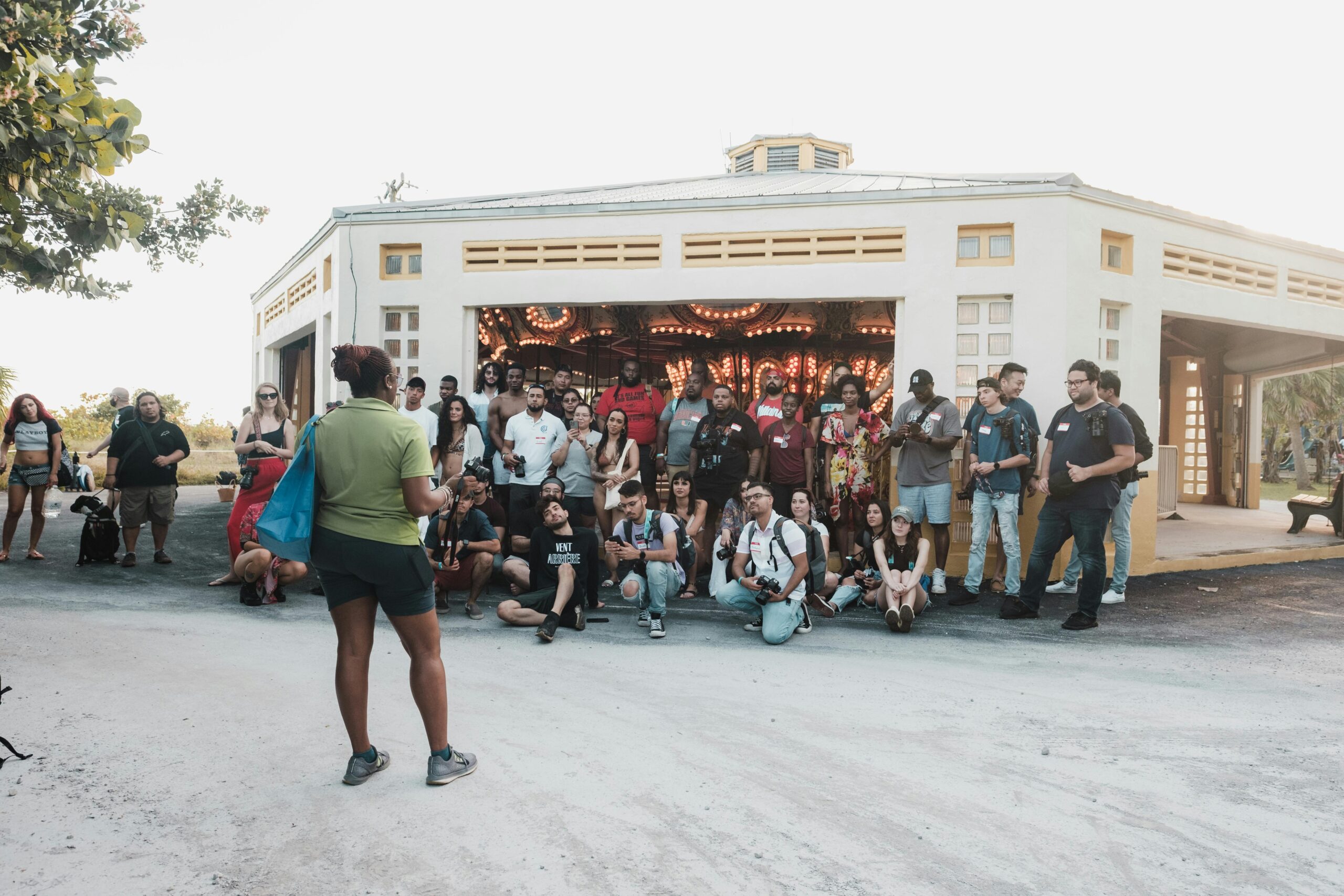
Turning Connections Into Lifelong Success 🌟
Your campus network represents far more than a collection of contacts—it’s an ecosystem of support, opportunity, and growth that shapes your college experience and beyond. The relationships you build now often become your future colleagues, business partners, and closest friends decades later.
Approach networking with authenticity rather than transactional thinking. Focus on building genuine relationships rather than collecting contacts for future use. Authentic connections naturally evolve into mutual support systems where everyone benefits without keeping score or calculating returns on investment.
Remember that effective networking isn’t about being the most popular, charismatic, or socially skilled person on campus. It’s about showing up consistently, demonstrating genuine interest in others, offering help when possible, and maintaining connections over time. These simple principles, applied consistently, create powerful networks that transform your college experience and support your success long after graduation.
Start today, even if you’re already several semesters into your college journey. Introduce yourself to someone new in your next class, attend an event you’ve been curious about, or reach out to reconnect with an acquaintance you’d like to know better. Every strong network begins with a single connection, and the best time to start building yours is right now.