
Walking is more than just a physical activity—it’s an invitation to reconnect with yourself, the earth beneath your feet, and the present moment. In our fast-paced world, mindful walking offers a sanctuary of calm and clarity.

The practice of grounding during walks transforms ordinary steps into profound experiences of awareness and balance. By engaging sensory anchors and intentional movement, you create pathways to inner peace that extend far beyond the walk itself.
🌿 The Foundation of Grounding: What It Really Means
Grounding, also known as earthing, refers to the practice of connecting your body directly with the earth’s energy. This ancient wisdom has found renewed relevance in modern wellness practices, particularly in mindful walking. When you ground yourself, you’re essentially creating an electrical connection between your body and the earth’s surface.
This connection isn’t merely metaphorical. Scientific research suggests that direct contact with the earth’s electrons can reduce inflammation, improve sleep quality, and decrease stress hormones. During mindful walking, grounding serves as both a physical and psychological anchor that keeps you present and centered.
The beauty of grounding lies in its simplicity. You don’t need special equipment or extensive training—just awareness, intention, and a willingness to slow down. As you walk, imagine roots extending from your feet deep into the earth, stabilizing and nourishing you with every step.
Understanding Sensory Anchors in Movement
Sensory anchors are specific sensations that you deliberately focus on to maintain present-moment awareness. During walking meditation, these anchors become your guides back to the here and now whenever your mind begins to wander. They transform an automatic activity into a conscious practice of mindfulness.
The most powerful sensory anchors during walking include the feeling of your feet touching the ground, the rhythm of your breath synchronized with your steps, the temperature of air on your skin, sounds in your environment, and visual focal points along your path. Each anchor offers a different gateway to presence.
The Five Primary Sensory Anchors for Walking
- Touch: Feel the texture beneath your feet, whether it’s soft grass, smooth pavement, or rough trail
- Sound: Notice your footsteps, breathing, rustling leaves, or distant traffic without judgment
- Sight: Observe colors, shapes, and movements in your peripheral and direct vision
- Smell: Detect fragrances in the air—flowers, rain, earth, or urban scents
- Proprioception: Sense your body’s position and movement through space
Creating Your Mindful Walking Practice 🚶♀️
Establishing a mindful walking routine requires intention but not perfection. Begin by choosing a location where you feel safe and relatively undisturbed. This could be a park, a quiet neighborhood street, a beach, or even a long hallway. The environment matters less than your commitment to presence.
Start with just five to ten minutes. As you begin walking, deliberately slow your pace to about half your normal speed. This isn’t about reaching a destination—it’s about experiencing the journey. Set an intention for your practice, perhaps something simple like “I walk to find peace” or “Each step brings me home to myself.”
Remove distractions whenever possible. Consider leaving your phone behind or putting it on silent mode. If you use technology for guidance or timing, set it up beforehand so you’re not tempted to check notifications. The goal is to create a sacred space within time where nothing demands your attention except the present moment.
The Four-Part Walking Meditation Sequence
Break down each step into four distinct phases: lifting, moving, placing, and shifting. As you lift your foot, notice the sensation of it becoming light. During the moving phase, feel the foot traveling through air. When placing, observe the heel or ball of the foot making contact. Finally, as you shift weight, sense how your body adjusts and balances.
This detailed attention might feel awkward initially, but with practice, it becomes natural and deeply grounding. You’re training your mind to observe without interfering, to witness without judging—skills that transfer to all areas of life.
The Science Behind Mindful Movement and Inner Balance
Neuroscience has revealed fascinating insights into how mindful walking affects the brain. Regular practice strengthens the prefrontal cortex, the area responsible for executive function and emotional regulation. Simultaneously, it calms the amygdala, reducing anxiety and stress responses.
Walking meditation also activates the parasympathetic nervous system, triggering the body’s rest-and-digest mode. This physiological shift lowers heart rate, reduces blood pressure, and promotes healing. The rhythmic nature of walking creates a natural meditation enhancer, making it easier to maintain focus compared to seated practices.
Studies have documented significant improvements in depression, anxiety, and overall well-being among regular practitioners. The combination of gentle exercise, mindfulness, and nature exposure creates a powerful therapeutic intervention that’s accessible to nearly everyone.
Integrating Breath Awareness With Your Steps 🌬️
Breath serves as the ultimate bridge between body and mind. When you synchronize breathing with walking, you create a rhythm that naturally deepens mindfulness. A simple pattern to begin with is breathing in for three steps and breathing out for three steps, adjusting the count to what feels comfortable for your pace and lung capacity.
As you walk and breathe together, imagine each inhalation drawing calm and clarity into your body. With each exhalation, release tension, worry, and mental clutter. This visualization adds another layer to your sensory anchoring, engaging imagination in service of presence.
Don’t force your breath or create strain. If synchronized breathing becomes uncomfortable, return to natural breathing while maintaining awareness of it. The practice should feel nourishing, never demanding or exhausting.
Overcoming Common Challenges in Mindful Walking
Mind-wandering is not a failure—it’s a natural function of the brain. When you notice you’ve drifted into thoughts about the past or future, gently acknowledge this without self-criticism. Say to yourself, “thinking,” and return attention to your chosen sensory anchor. This cycle of drifting and returning is the practice itself.
Physical discomfort sometimes arises, especially when walking slowly. If your knees, back, or feet hurt, adjust your pace or posture. Mindfulness doesn’t require suffering. Find a sustainable rhythm that allows you to maintain awareness without creating new tensions in your body.
External distractions are inevitable, particularly if you’re walking in public spaces. Rather than viewing them as obstacles, incorporate them into your practice. When a car passes or someone approaches, notice your reaction without becoming lost in story or judgment. This flexibility strengthens your mindfulness muscle.
Deepening Your Practice Through Seasonal Awareness 🍂
Each season offers unique sensory experiences that can enrich your walking meditation. Spring brings the scent of new growth and the sounds of returning birds. Summer offers warmth on skin and vibrant colors. Autumn provides crunching leaves underfoot and cooling air. Winter presents crisp silence and the beauty of bare branches.
Tuning into seasonal changes connects you with natural cycles larger than yourself. This awareness cultivates gratitude and perspective, reminding you that change is constant and each phase holds its own beauty and wisdom.
Create seasonal intentions for your practice. In spring, walk with renewal; in summer, with vitality; in autumn, with release; in winter, with introspection. These themes add richness without complicating the fundamental simplicity of mindful walking.
Building Inner Balance Through Consistent Practice
Inner balance doesn’t emerge from a single perfect walk—it develops through regular, imperfect practice. Consistency matters more than duration. Ten minutes daily creates more lasting change than an hour once weekly. Your nervous system learns to access calm more readily when you practice regularly.
Consider establishing a specific time for your walking practice. Morning walks set a peaceful tone for the day ahead. Midday walks provide a reset when energy or focus wanes. Evening walks help transition from work mode to rest mode, processing the day’s experiences.
Track your practice without becoming obsessive about it. A simple journal noting when you walked and any observations or insights keeps you accountable while documenting your journey. Over time, you’ll notice patterns and progress that might otherwise go unrecognized.
Creating a Supportive Environment for Your Practice
While mindful walking can happen anywhere, certain conditions make it easier. Natural settings generally offer fewer harsh stimuli than urban environments. However, city walking has its own gifts—navigating busy streets mindfully develops resilience and flexibility in your practice.
If walking outdoors isn’t always possible, indoor walking works too. A long hallway or even a small space where you can take ten steps before turning around serves the purpose. The key is your intention and attention, not the grandeur of your location.
Expanding Benefits Beyond the Walk Itself 🌟
The real magic of mindful walking reveals itself in daily life. You’ll notice increased patience in lines, greater calm in stressful conversations, and improved focus during work. The present-moment awareness you cultivate while walking naturally extends into other activities.
Relationships often improve as mindfulness reduces reactivity and increases empathy. You become better at listening without planning your response, at being with others without needing to fix or change them. This presence is perhaps the greatest gift you can offer another person.
Decision-making becomes clearer as mental chatter diminishes. With less noise in your mind, you access intuition and wisdom more readily. Problems that once seemed overwhelming become manageable as you approach them with a calmer, more balanced perspective.
Combining Technology Mindfully With Traditional Practice
While technology can distract from presence, certain apps support mindful walking when used intentionally. Guided walking meditations can help beginners establish a routine and learn proper techniques. Timer apps prevent constant clock-checking. Nature identification apps deepen engagement with your environment when used briefly and purposefully.
The key is using technology as a tool rather than allowing it to dominate your experience. If you notice your phone becoming a distraction rather than a support, consider leaving it behind or using only its most essential functions during walks.
Cultivating Gratitude Through Each Step
Gratitude naturally arises from mindful walking. As you slow down and notice details, appreciation grows for your body’s ability to move, for the earth supporting you, for the air you breathe, and for the opportunity to practice. This gratitude isn’t forced or artificial—it emerges organically from genuine presence.
You might dedicate certain walks specifically to gratitude practice. With each step, mentally note something you appreciate: “grateful for health,” “grateful for this tree,” “grateful for this moment.” This simple addition transforms walks into powerful positivity practices that reshape your baseline mood.
Walking as Moving Meditation for All Life Stages 🌱
The accessibility of walking meditation makes it suitable for nearly everyone, regardless of age or physical condition. Children can practice simplified versions, focusing on just one sensory anchor for a few minutes. Elderly practitioners often find walking meditation gentler on joints than seated meditation while still providing full benefits.
Pregnant women discover walking meditation helps them stay present with their changing bodies and prepare mentally for birth. Those recovering from illness or injury use it to rebuild both physical strength and mental resilience. The practice adapts to meet you wherever you are in life’s journey.
If mobility challenges limit traditional walking, the principles apply to wheelchair movement, slow stretching, or even imagined walking. The essence of the practice—present-moment awareness anchored in sensation—transcends the specific form it takes.
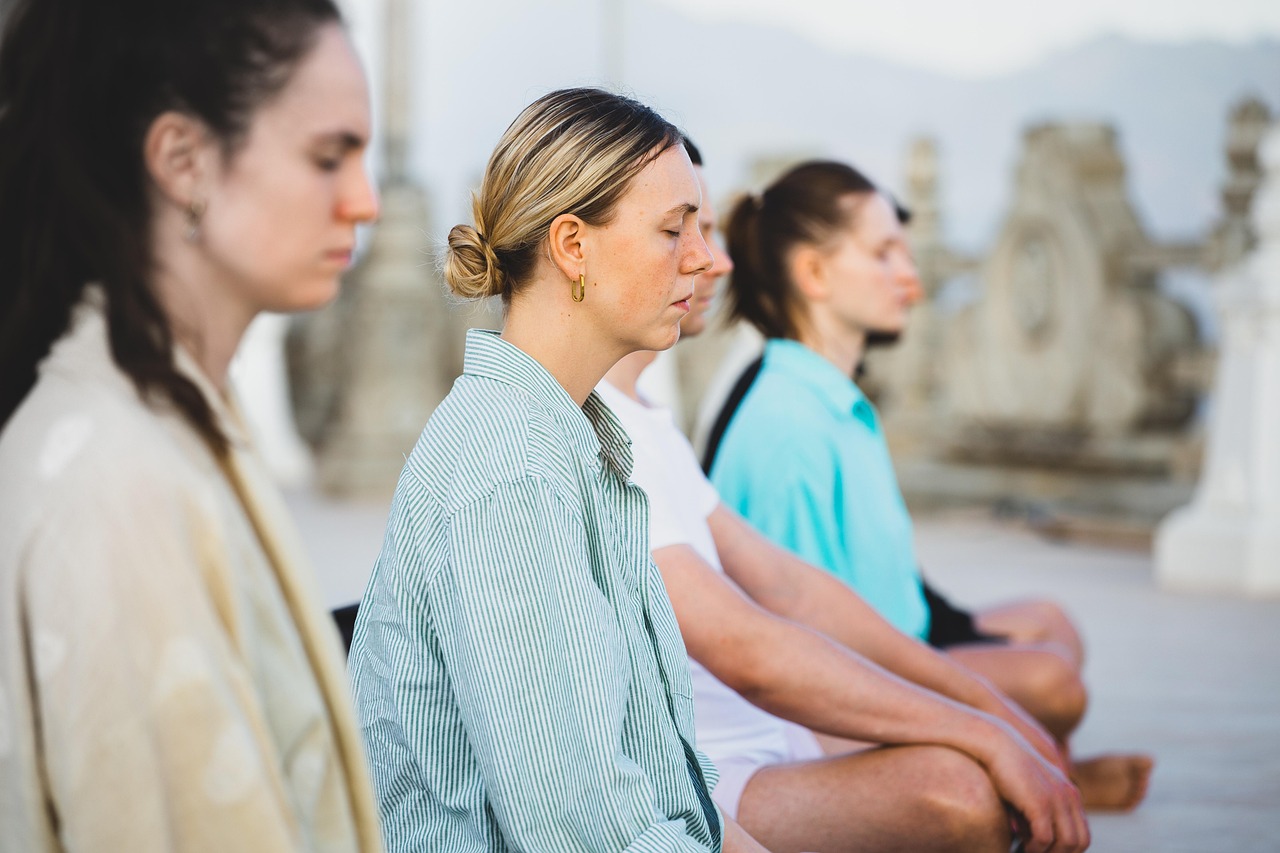
Embracing the Journey Home to Yourself
Every mindful step is a homecoming. In a world that constantly pulls your attention outward, walking meditation brings you back to your center. This isn’t escapism—it’s the opposite. By grounding fully in the present moment, you become more capable of engaging authentically with whatever life presents.
Your practice will evolve over time. Some days, maintaining focus feels effortless. Other days, your mind resembles a restless puppy. Both experiences are valid and valuable. The practice isn’t about achieving a perfect state—it’s about showing up consistently and meeting yourself with kindness.
As you continue walking mindfully, you’re not just improving your own well-being. Your increased presence, calm, and clarity ripple outward, affecting everyone you encounter. In this way, your personal practice becomes a contribution to collective healing. Each grounded step makes the world a slightly more peaceful place.
Begin today with just one conscious step. Then another. And another. Before long, you’ll have walked yourself home to the serenity that was always waiting within you, accessible through the simple, profound act of mindful walking. The path to inner balance doesn’t require traveling anywhere special—it unfolds right beneath your feet, one present moment at a time.