
In a world that never stops moving, your breath might be the most underrated tool for instant calm and wellness. Learning to breathe properly can transform your mental health, physical vitality, and overall quality of life in ways you never imagined possible.

Most people take between 17,000 and 30,000 breaths daily without giving it a second thought. Yet, the majority of us breathe incorrectly, using only the upper chest instead of engaging the diaphragm—the powerful muscle designed specifically for efficient breathing. This shallow breathing pattern contributes to increased stress, anxiety, poor sleep, and even digestive issues. By rediscovering the natural breathing technique we were born with, you can unlock profound benefits for both body and mind.
What Exactly Is Diaphragmatic Breathing? 🫁
Diaphragmatic breathing, also known as belly breathing or abdominal breathing, is a technique that engages your diaphragm—a dome-shaped muscle located beneath your lungs. When you breathe this way, your belly expands outward on the inhale rather than your chest rising upward. This is exactly how babies breathe naturally before stress and modern lifestyles teach us dysfunctional patterns.
The diaphragm is your primary breathing muscle, yet many adults have forgotten how to use it properly. Instead, we rely on accessory muscles in the neck, shoulders, and upper chest—muscles that were designed for occasional use during intense physical activity, not for every single breath throughout the day.
When you practice diaphragmatic breathing, you allow your lungs to expand fully downward, creating more space for oxygen intake. This efficient breathing pattern sends signals to your nervous system that everything is safe, triggering your body’s relaxation response and counteracting the stress response that shallow chest breathing perpetuates.
The Science Behind Breathing and Stress Reduction
Your breathing pattern directly influences your autonomic nervous system, which controls involuntary functions like heart rate, digestion, and stress responses. This system has two main branches: the sympathetic nervous system (your “fight or flight” mode) and the parasympathetic nervous system (your “rest and digest” mode).
Shallow, rapid chest breathing activates the sympathetic nervous system, signaling danger to your body even when no real threat exists. This keeps you in a perpetual state of low-level stress, elevating cortisol levels, increasing blood pressure, and compromising immune function.
Conversely, slow, deep diaphragmatic breathing stimulates the vagus nerve—the primary component of your parasympathetic nervous system. This activation triggers what’s known as the relaxation response, characterized by decreased heart rate, lowered blood pressure, reduced muscle tension, and improved emotional regulation.
Research published in the Journal of Alternative and Complementary Medicine found that participants who practiced diaphragmatic breathing for just 20 minutes daily experienced significant reductions in cortisol levels—the body’s primary stress hormone. Another study in Frontiers in Psychology demonstrated that controlled breathing techniques improved attention, emotional processing, and overall well-being.
How Breathing Affects Your Brain Chemistry 🧠
The benefits of proper breathing extend beyond stress reduction into actual changes in brain chemistry. When you practice diaphragmatic breathing, you increase oxygen delivery to your brain, enhancing cognitive function, clarity, and decision-making abilities.
Additionally, controlled breathing influences neurotransmitter production. Deep breathing has been shown to increase GABA (gamma-aminobutyric acid), a neurotransmitter that promotes calmness and reduces anxiety. It also helps balance serotonin and dopamine levels, contributing to improved mood and emotional stability.
The rhythmic nature of focused breathing also helps synchronize brain wave patterns, promoting states of relaxation similar to those achieved through meditation. This synchronization enhances the connection between different brain regions, improving emotional regulation and stress resilience.
Remarkable Health Benefits You’ll Experience
The advantages of mastering diaphragmatic breathing extend far beyond stress management. This simple practice influences virtually every system in your body, creating cascading positive effects on your overall health and wellness.
Enhanced Respiratory Efficiency
By engaging your diaphragm properly, you increase lung capacity and improve oxygen exchange. This means your body requires less effort to breathe, reducing the workload on your respiratory muscles and increasing stamina. Athletes have long recognized this benefit, using breathing techniques to enhance endurance and performance.
For individuals with respiratory conditions like asthma or COPD, diaphragmatic breathing can significantly improve symptoms and quality of life. The technique helps strengthen respiratory muscles, reduces breathlessness, and increases oxygen saturation levels.
Cardiovascular Health Improvements ❤️
Diaphragmatic breathing positively impacts your cardiovascular system in multiple ways. The practice helps lower blood pressure by promoting vasodilation—the widening of blood vessels—which improves circulation and reduces strain on your heart.
Studies have shown that regular practice can reduce resting heart rate, improve heart rate variability (a key marker of cardiovascular health and stress resilience), and decrease the risk of heart-related complications. The improved oxygenation also supports better energy production at the cellular level.
Digestive System Support
The rhythmic movement of the diaphragm during proper breathing creates a gentle massage effect on your internal organs, particularly those in the digestive system. This mechanical stimulation enhances peristalsis—the wave-like muscle contractions that move food through your digestive tract.
Better breathing also shifts your body into parasympathetic mode, the state where digestion functions optimally. Many people experience reduced bloating, improved nutrient absorption, and relief from digestive discomfort when they incorporate diaphragmatic breathing into their daily routine.
Pain Management and Muscle Tension Relief
Chronic muscle tension, particularly in the neck, shoulders, and back, often results from improper breathing patterns. When you breathe with your chest and accessory muscles, these areas remain constantly engaged and contracted.
Diaphragmatic breathing releases this unnecessary tension, allowing these muscles to relax. The practice has been shown to reduce chronic pain conditions, including tension headaches, TMJ disorders, and lower back pain. The relaxation response triggered by proper breathing also increases your pain threshold and alters pain perception.
Mastering the Technique: Your Step-by-Step Guide
Learning diaphragmatic breathing is remarkably simple, though it may feel awkward initially if you’ve been breathing shallowly for years. With consistent practice, this technique will become natural and automatic, eventually replacing your old breathing patterns even when you’re not consciously thinking about it.
The Basic Diaphragmatic Breathing Exercise
Find a comfortable position, either lying on your back with knees bent or sitting upright in a chair with your feet flat on the floor. Place one hand on your chest and the other on your belly, just below your ribcage. This hand placement helps you monitor which area is moving during breathing.
Inhale slowly through your nose for a count of four, focusing on expanding your belly outward. The hand on your abdomen should rise significantly, while the hand on your chest should remain relatively still. Imagine filling your belly like a balloon from bottom to top.
Pause briefly at the top of your inhale, then exhale slowly through pursed lips (as if blowing through a straw) for a count of six to eight. Your belly should fall inward as you release the breath completely. The extended exhale is crucial—it maximizes the activation of your parasympathetic nervous system.
Repeat this cycle for five to ten minutes, gradually increasing the duration as the technique becomes more comfortable. Aim to practice at least twice daily—once in the morning to set a calm tone for your day and once in the evening to promote relaxation before sleep.
Common Mistakes to Avoid ⚠️
Many beginners make the mistake of forcing the belly outward rather than allowing it to expand naturally as the diaphragm descends. Your belly movement should be a consequence of proper diaphragm engagement, not a deliberate pushing action.
Another common error is breathing too quickly or deeply, which can cause lightheadedness or hyperventilation. Your breathing should be slow, controlled, and comfortable—never strained or uncomfortable. If you feel dizzy, simply return to your normal breathing pattern and try again later with a gentler approach.
Some people also tense their shoulders and neck while attempting diaphragmatic breathing, defeating the purpose of the exercise. Consciously relax these areas, allowing them to remain soft and loose throughout your practice.
Integrating Breathwork Into Your Daily Life 🌅
The true power of diaphragmatic breathing emerges when you weave it seamlessly into your everyday activities. While dedicated practice sessions are valuable, the real transformation happens when proper breathing becomes your default pattern throughout the day.
Morning Breathing Rituals
Start your day with five minutes of diaphragmatic breathing before getting out of bed. This simple practice oxygenates your body, activates your parasympathetic nervous system, and sets a calm, centered tone for the hours ahead. Many people find this morning ritual more effective than coffee for creating sustainable energy and mental clarity.
You can enhance this practice by combining it with gratitude or positive intention-setting. As you breathe deeply, mentally list three things you’re grateful for or set specific intentions for how you want to feel and what you want to accomplish during your day.
Stress-Busting Breathing Breaks
Identify the most stressful parts of your day—perhaps before important meetings, during your commute, or when dealing with challenging tasks—and schedule brief breathing breaks. Even two to three minutes of focused diaphragmatic breathing can dramatically shift your physiological state and emotional perspective.
Set reminders on your phone or computer to prompt these breathing breaks until they become habitual. Over time, you’ll automatically turn to your breath during stressful moments, giving you a powerful tool for emotional regulation that’s always available.
Breathwork Before Sleep 😴
Perhaps the most transformative application of diaphragmatic breathing is as part of your evening wind-down routine. Practicing for ten to fifteen minutes before bed activates your relaxation response, reduces racing thoughts, and prepares your body for deep, restorative sleep.
Lie in bed and practice the basic technique, gradually slowing your breath even further. Some people find counting their breaths helpful—inhale for four counts, hold for four, exhale for eight, and pause for two before beginning again. This extended exhale pattern is particularly effective for inducing sleepiness.
Advanced Breathing Techniques to Explore
Once you’ve mastered basic diaphragmatic breathing, you might want to explore variations that offer specific benefits. These advanced techniques build on the foundation of belly breathing while introducing different patterns and focuses.
Box Breathing for Mental Clarity
Also known as square breathing, this technique involves equal counts for each phase of breathing. Inhale for four counts, hold for four, exhale for four, and hold empty for four before beginning the next cycle. This method is used by Navy SEALs and emergency responders to maintain calm focus in high-pressure situations.
Box breathing is particularly effective before presentations, exams, or any situation requiring peak mental performance. The equal rhythm creates a meditative state while maintaining alertness and cognitive function.
4-7-8 Breathing for Anxiety Relief
Developed by Dr. Andrew Weil, this technique involves inhaling for four counts, holding for seven, and exhaling for eight. The extended hold and exhale create a powerful shift toward parasympathetic activation, making this method particularly effective for anxiety, panic attacks, and insomnia.
Practice this technique four times in succession, up to twice daily. Many people report feeling noticeably calmer within just a few breath cycles, making it an excellent tool for acute stress management.
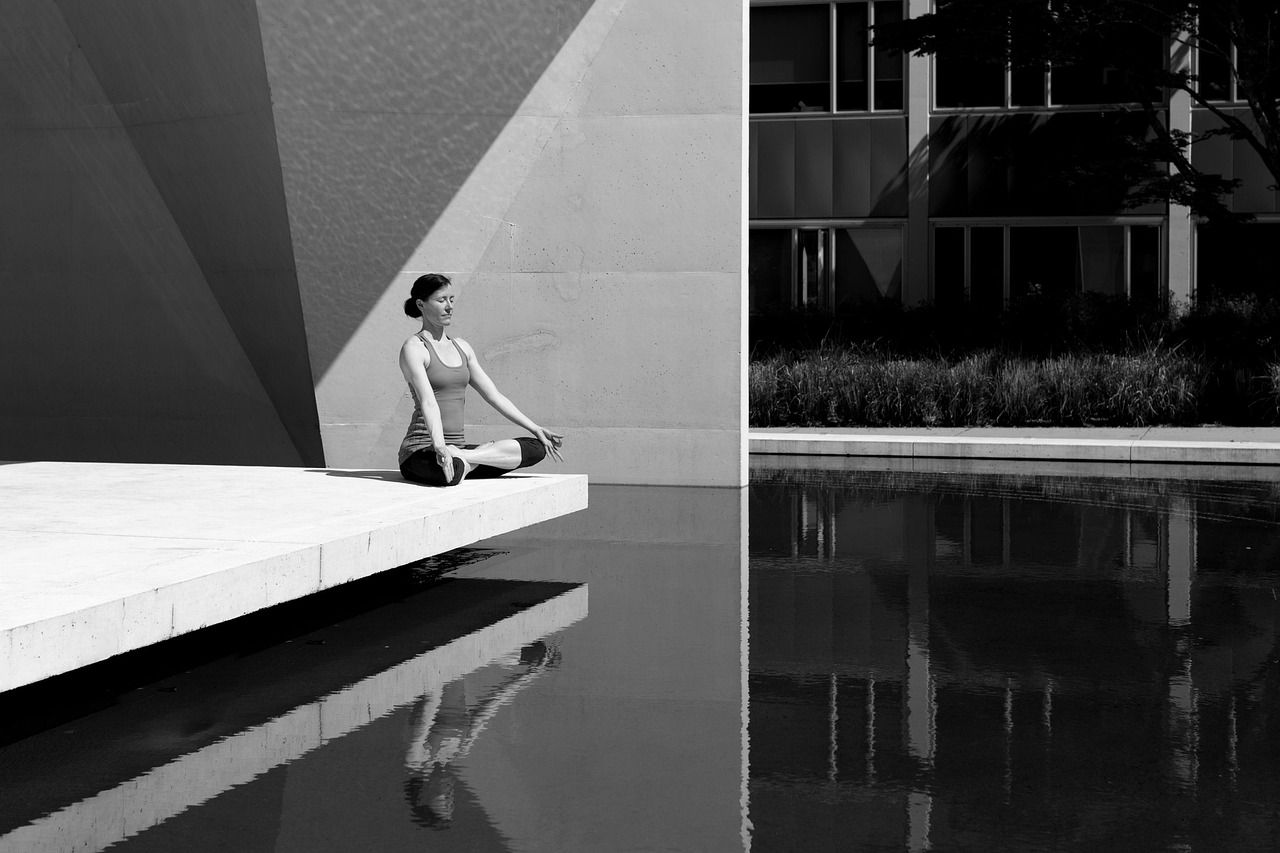
Breathing Your Way to a Calmer, Healthier Life 🌿
The beauty of diaphragmatic breathing lies in its simplicity and accessibility. Unlike many wellness practices that require equipment, subscriptions, or special settings, your breath is always with you, ready to serve as your personal stress-management tool.
As you develop your breathing practice, you’ll likely notice improvements extending beyond stress reduction. Many practitioners report better sleep quality, increased energy levels, improved emotional regulation, enhanced athletic performance, and a greater sense of overall well-being. Some even experience relief from chronic conditions they’ve struggled with for years.
The key to unlocking these benefits is consistency. Like any skill, proper breathing improves with regular practice. Start with just five minutes daily and gradually increase as the technique becomes more natural. Within weeks, you’ll likely find yourself automatically breathing more deeply and efficiently throughout the day.
Remember that learning to breathe properly is not about achieving perfection—it’s about progress. Some days your practice will feel easy and natural; other days it might feel challenging. Both experiences are normal and valuable parts of the learning process.
Consider keeping a simple journal to track your breathing practice and any changes you notice in your stress levels, sleep quality, energy, or mood. This documentation can be incredibly motivating as you witness the cumulative effects of this simple but powerful practice.
Your breath is a bridge between your conscious and unconscious mind, between your voluntary and involuntary nervous systems. By learning to consciously influence this automatic process, you gain access to profound control over your physical and emotional states. In a world full of stress and complexity, the simple act of breathing well might be the most revolutionary wellness practice you ever adopt.
Start today. Take a deep belly breath right now. Feel your abdomen expand, hold briefly, then release slowly and completely. That single breath just shifted your nervous system toward calm. Imagine what a consistent practice could do for your life. The power to breathe better and stress less is already within you—it’s time to unlock it.