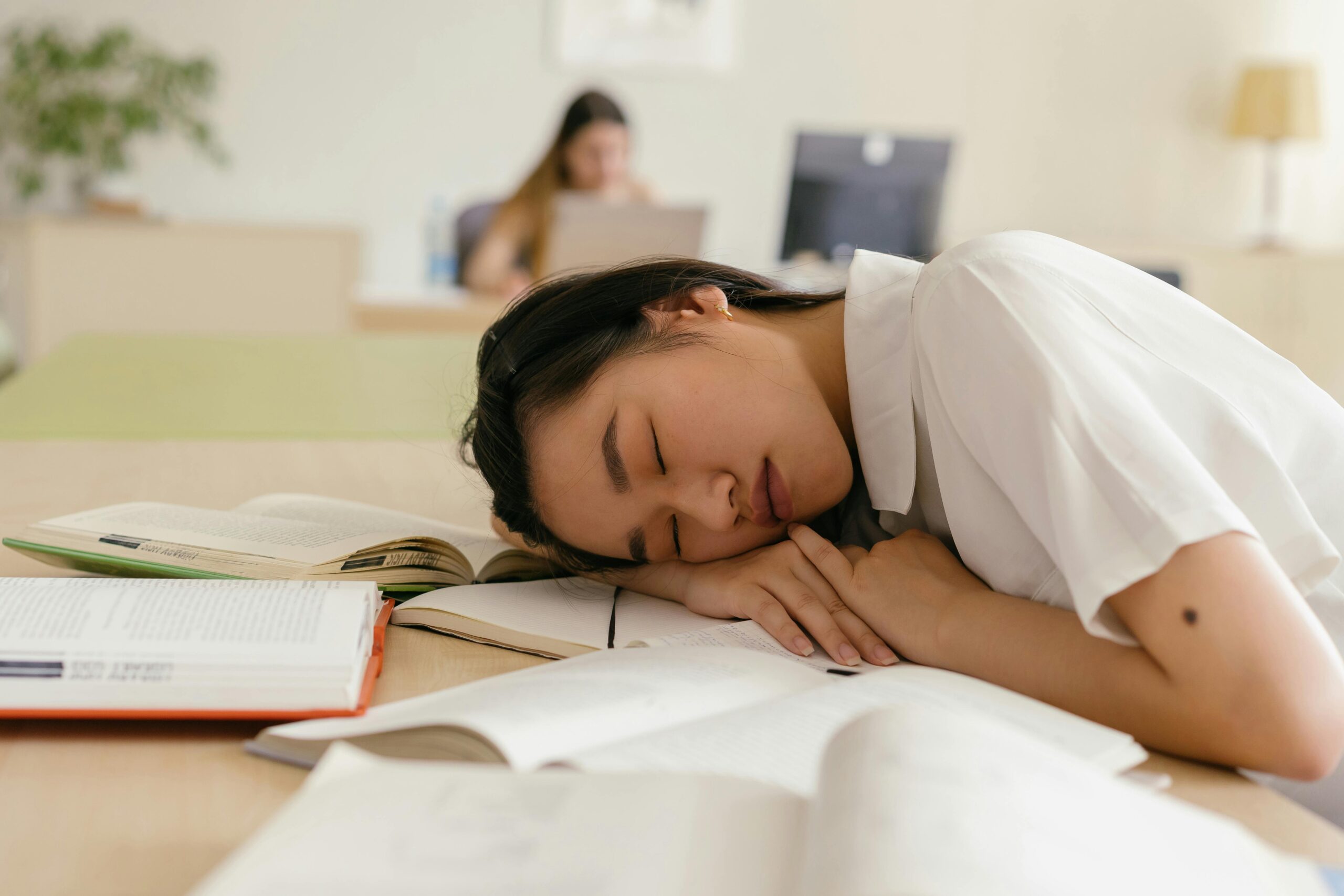
Struggling to fall asleep at night can feel like an endless battle against your own mind. The racing thoughts, physical tension, and anxiety about not sleeping create a vicious cycle that leaves you exhausted and frustrated.

But what if the solution to your sleep troubles has been with you all along? Your breath—the most fundamental yet often overlooked tool for relaxation—holds the key to transforming restless nights into rejuvenating sleep. By incorporating simple breathing techniques into your bedtime routine, you can activate your body’s natural relaxation response and drift off to sleep faster than you ever thought possible.
🌙 Why Breathing Techniques Work for Sleep
The connection between breathing and sleep isn’t just folklore or wishful thinking—it’s grounded in solid science. When you consciously control your breathing patterns, you directly influence your autonomic nervous system, which regulates involuntary bodily functions including heart rate, digestion, and sleep-wake cycles.
Slow, deliberate breathing activates the parasympathetic nervous system, often called the “rest and digest” system. This activation counteracts the stress response triggered by the sympathetic nervous system, effectively telling your body that it’s safe to relax and prepare for sleep.
Research has consistently shown that controlled breathing exercises can lower cortisol levels, reduce blood pressure, and decrease heart rate variability—all physiological markers associated with relaxation and improved sleep quality. When you practice these techniques regularly, you’re essentially training your body to transition more smoothly from wakefulness to sleep.
The Mind-Body Connection During Sleep Preparation
Your mind and body communicate constantly through various pathways, and breathing serves as a bridge between conscious control and unconscious processes. When your breathing is rapid and shallow—common during stress or anxiety—your brain interprets this as a signal of danger, keeping you alert and awake.
Conversely, when you breathe slowly and deeply, your brain receives signals that everything is calm and safe. This mental shift is crucial for falling asleep, as sleep requires a sense of security and relaxation that stress directly opposes.
✨ The 4-7-8 Breathing Method: Your Gateway to Quick Sleep
Developed by Dr. Andrew Weil and based on ancient yogic practices, the 4-7-8 breathing technique has gained widespread recognition as one of the most effective methods for falling asleep quickly. This technique works by slowing down your breathing pattern and increasing oxygen flow throughout your body.
Here’s how to practice the 4-7-8 method:
- Place the tip of your tongue against the ridge behind your upper front teeth
- Exhale completely through your mouth, making a whoosh sound
- Close your mouth and inhale quietly through your nose for 4 counts
- Hold your breath for 7 counts
- Exhale completely through your mouth for 8 counts, making a whoosh sound
- Repeat this cycle three more times for a total of four breath cycles
The magic of this technique lies in the ratio and the breath retention. Holding your breath allows oxygen to permeate your bloodstream more thoroughly, while the extended exhale triggers maximum relaxation response. Many practitioners report falling asleep before completing the fourth cycle when practiced in bed.
When and How Often to Practice 4-7-8
While the 4-7-8 technique is particularly powerful at bedtime, you can practice it twice daily to build your relaxation capacity. Morning practice helps establish the neural pathways, making the evening practice more effective. The cumulative effect becomes more pronounced over time, with many people noticing significant improvements within four to six weeks of consistent practice.
💨 Box Breathing: The Navy SEAL Sleep Secret
Box breathing, also known as square breathing or four-square breathing, is a technique used by Navy SEALs, police officers, and other high-stress professionals to maintain calm under pressure. This method is equally effective for promoting sleep by creating mental clarity and physical relaxation.
The technique involves four equal parts, visualized as the four sides of a square:
- Inhale through your nose for 4 counts
- Hold your breath for 4 counts
- Exhale through your nose or mouth for 4 counts
- Hold empty for 4 counts
- Repeat for 5-10 minutes
The symmetry of box breathing creates a meditative rhythm that occupies your conscious mind, preventing it from wandering to stressful thoughts or tomorrow’s to-do list. This mental occupation, combined with the physiological relaxation response, makes it an excellent pre-sleep practice.
Customizing Box Breathing to Your Capacity
If four counts feel too short or too long, adjust the count to match your lung capacity and comfort level. Some people prefer a 5-5-5-5 pattern, while others with larger lung capacity might extend to 6-6-6-6. The key is maintaining equal lengths for all four phases and finding a rhythm that feels sustainable and relaxing rather than stressful.
🌊 Progressive Muscle Relaxation with Breath Work
Combining breathing techniques with progressive muscle relaxation creates a powerful synergy for sleep preparation. This approach addresses both mental and physical tension simultaneously, making it especially effective for people who carry stress in their bodies.
Start at your toes and work upward through your body, following this pattern for each muscle group:
- Inhale deeply for 4 counts while tensing the muscle group
- Hold the tension and your breath for 4 counts
- Exhale slowly for 6-8 counts while releasing all tension
- Breathe normally for a few breaths before moving to the next muscle group
Move through your feet, calves, thighs, glutes, abdomen, chest, hands, arms, shoulders, neck, and face. By the time you complete the entire sequence, your body will feel heavy and relaxed, perfectly primed for sleep.
🎯 Diaphragmatic Breathing for Deep Relaxation
Also known as belly breathing, diaphragmatic breathing is the foundation of most relaxation techniques. Many adults breathe shallowly from their chest, which actually promotes stress and tension. Learning to breathe from your diaphragm reverses this pattern.
To practice diaphragmatic breathing:
- Lie on your back with one hand on your chest and one on your belly
- Breathe in slowly through your nose, allowing your belly to rise while your chest remains relatively still
- Exhale slowly through pursed lips, feeling your belly fall
- Continue for 5-10 minutes, focusing on making each breath deeper and slower
This technique not only promotes immediate relaxation but also retrains your breathing patterns over time. With consistent practice, diaphragmatic breathing becomes your default pattern, providing ongoing stress reduction and improved sleep quality.
📱 Technology-Assisted Breathing: Apps That Guide Your Practice
While breathing techniques require no equipment, guided breathing apps can provide structure, tracking, and encouragement for those new to these practices. These apps offer timed exercises, visual guides, and progress tracking to help you build consistency.
Breathwrk is a comprehensive breathing app that offers various techniques specifically designed for sleep, stress reduction, and energy. The app provides visual and audio cues to guide your breathing patterns, making it easier to maintain proper timing without counting.
Other excellent options include Calm, which features breathing exercises alongside sleep stories and meditation, and Prana Breath, which allows extensive customization of breathing patterns and includes detailed statistics tracking.
🛌 Creating Your Personalized Nighttime Breathing Routine
The most effective approach involves creating a consistent routine that incorporates breathing techniques into your broader sleep hygiene practices. Consistency signals to your body that sleep is approaching, strengthening the association between your routine and restfulness.
A sample 15-minute pre-sleep breathing routine might look like this:
- Minutes 1-3: Diaphragmatic breathing to establish baseline relaxation
- Minutes 4-8: Box breathing for mental clarity and deeper calm
- Minutes 9-12: 4-7-8 breathing in bed with lights dimmed
- Minutes 13-15: Natural breathing with body scan meditation
This progression moves from gentle awareness to structured practice, then into deep relaxation as you settle into bed. Experiment with different sequences and durations to discover what works best for your individual needs.
Environmental Optimization for Breathing Practice
Your environment significantly impacts the effectiveness of breathing exercises. Create a sleep-conducive space by dimming lights 30 minutes before bed, maintaining a cool room temperature between 60-67°F (15-19°C), and minimizing noise disruptions. Consider using blackout curtains and removing electronic devices that emit blue light.
Some people find that gentle background sounds—white noise, rain sounds, or soft instrumental music—enhance their breathing practice by masking disruptive noises and providing a soothing auditory focus. Experiment to find what supports your relaxation rather than distracting from it.
⚠️ Common Mistakes and How to Avoid Them
Even simple breathing techniques can be practiced incorrectly, reducing their effectiveness or creating frustration. Being aware of common pitfalls helps you maintain a productive practice.
One frequent mistake is breathing too quickly or forcing breaths beyond your comfortable capacity. Breathing exercises should feel calming, not stressful. If you feel dizzy or anxious, you’re likely pushing too hard—slow down and reduce the depth of your breaths until you find a comfortable rhythm.
Another common error is inconsistent practice. Breathing techniques become most effective when practiced regularly, not just on nights when sleep proves elusive. Think of these exercises as training for your nervous system—sporadic practice provides minimal benefit compared to daily commitment.
Many people also make the mistake of practicing breathing exercises only when already in bed and desperate for sleep. This approach links the techniques with anxiety about sleeping rather than relaxation. Practice during calm moments earlier in the evening to build positive associations and skill before applying them to sleep.
🧘 Integration with Other Sleep Hygiene Practices
Breathing techniques work best as part of a comprehensive approach to sleep health. While powerful on their own, they become exponentially more effective when combined with other evidence-based sleep practices.
Maintain consistent sleep and wake times, even on weekends, to regulate your circadian rhythm. Avoid caffeine after 2 PM and limit alcohol in the evening, as both substances interfere with sleep quality despite alcohol’s initial sedating effect. Create a digital sunset by avoiding screens at least one hour before bed, as blue light suppresses melatonin production.
Regular physical activity improves sleep quality, but timing matters—exercise too close to bedtime can be stimulating rather than relaxing. Aim to complete vigorous workouts at least three hours before sleep, while gentle activities like yoga or stretching can be beneficial closer to bedtime, especially when combined with breathing exercises.
💡 Troubleshooting When Breathing Techniques Aren’t Working
If you’ve been practicing breathing techniques consistently for several weeks without improvement, several factors might be interfering with their effectiveness. First, consider whether underlying sleep disorders like sleep apnea, restless leg syndrome, or chronic insomnia might require professional medical attention. Breathing techniques support healthy sleep but cannot cure medical conditions.
Evaluate your daytime stress levels and overall mental health. Severe anxiety or depression often requires professional treatment beyond self-help techniques. Breathing exercises complement therapy and medication but shouldn’t replace professional care when needed.
Sometimes the issue is technique-related. Consider working with a yoga instructor, meditation teacher, or respiratory therapist who can observe your practice and provide personalized guidance. Small adjustments in posture or breathing depth can make significant differences in effectiveness.
🌟 The Long-Term Benefits Beyond Sleep
While this article focuses on using breathing techniques for better sleep, the benefits extend far beyond nighttime. Regular breathing practice improves stress resilience, emotional regulation, and overall well-being throughout your waking hours.
People who maintain consistent breathing practices report reduced anxiety, improved focus and concentration, lower blood pressure, and enhanced ability to manage difficult emotions. These techniques become portable stress-management tools you can use anywhere—before important meetings, during traffic jams, or when facing challenging situations.
The respiratory awareness developed through these practices often leads to improvements in physical health as well. Better breathing patterns support cardiovascular health, improve athletic performance, and can even reduce chronic pain by decreasing muscle tension and stress-related inflammation.

🎓 Building Mastery Through Consistent Practice
Becoming proficient with breathing techniques for sleep requires patience and persistence. Like learning any skill, you’ll likely experience an initial period where the practices feel awkward or ineffective. This is normal and temporary—stick with it.
Track your progress using a sleep journal, noting which techniques you practiced, how long you practiced, and how quickly you fell asleep. Over time, patterns will emerge showing which methods work best for you and under what circumstances. This data-driven approach removes guesswork and helps optimize your routine.
Consider your breathing practice as an investment in lifelong sleep health. The skills you develop now will serve you for decades, providing a drug-free, side-effect-free method for managing sleep challenges whenever they arise. Unlike sleeping pills or other interventions, breathing techniques actually improve with practice and age.
As you continue your practice, you may find yourself naturally breathing more slowly and deeply throughout the day, not just during formal exercises. This spontaneous integration indicates that your nervous system is recalibrating toward greater calm and resilience—the ultimate goal of any breathing practice.
Transform your nights starting today by choosing just one technique from this article and committing to practice it for the next two weeks. You’ll likely notice improvements within days, with effects deepening as your body learns this new language of relaxation. Your restful nights are waiting—all you need to do is breathe.