
Living without a full kitchen doesn’t mean sacrificing your health or settling for fast food every day. Whether you’re traveling, living in a dorm room, staying in temporary accommodation, or simply dealing with limited cooking space, maintaining a nutritious diet is absolutely achievable with the right strategies and mindset.

The modern lifestyle often challenges our ability to prepare wholesome meals, but creativity and smart planning can transform even the smallest space into a hub for healthy eating. This guide will walk you through practical tips, clever hacks, and sustainable solutions that make nutritious living possible anywhere, anytime.
🏠 Understanding Your Kitchen Limitations and Opportunities
Before diving into specific strategies, it’s essential to assess what you’re working with. A limited kitchen doesn’t necessarily mean no kitchen at all. You might have access to a microwave, mini-fridge, electric kettle, or even just a small countertop space. Identifying your available resources helps you maximize what’s possible.
Many people assume that without a stove or oven, healthy cooking becomes impossible. This couldn’t be further from the truth. Modern appliances and no-cook options have revolutionized how we approach food preparation. A microwave can steam vegetables perfectly, an electric kettle does more than just boil water for tea, and a mini-fridge keeps fresh ingredients at your fingertips.
Taking Inventory of Your Space
Start by listing what appliances and tools you have access to. Even basic items like a cutting board, knife, and can opener expand your options significantly. Consider portable appliances that don’t require much space: immersion blenders, single-burner hot plates, rice cookers, or multi-functional pressure cookers can be game-changers for small-space cooking.
🥗 No-Cook Meals That Pack Nutritional Punch
No-cook meals are your best friend when kitchen access is limited. These options require zero or minimal preparation while delivering essential nutrients your body needs to thrive. The key is focusing on whole foods that are naturally ready to eat or require simple assembly.
Fresh fruits and vegetables should form the foundation of your no-cook strategy. Apples, bananas, berries, carrots, bell peppers, cucumbers, and cherry tomatoes need no preparation beyond washing. Pair these with protein sources like canned beans, chickpeas, tuna, salmon, or pre-cooked chicken for balanced meals.
Building the Perfect No-Cook Bowl
Bowl meals are incredibly versatile and nutritionally complete. Start with a base of pre-washed greens or grains like quinoa (which can be bought pre-cooked). Add your protein source, then layer on vegetables, healthy fats from nuts or avocado, and finish with a simple dressing made from olive oil, lemon juice, and spices.
Overnight oats represent another nutritional powerhouse that requires zero cooking. Combine rolled oats with milk or yogurt, add chia seeds for omega-3s, throw in some fruit and nuts, then refrigerate overnight. You’ll wake up to a ready-made breakfast that fuels your morning.
⚡ Maximizing Microwave Magic
The humble microwave is far more powerful than most people realize. This appliance can steam, poach, and even “bake” foods when used correctly. Understanding microwave cooking techniques opens up a world of healthy meal possibilities without needing a traditional kitchen setup.
Steaming vegetables in the microwave preserves more nutrients than boiling and takes just minutes. Place chopped vegetables in a microwave-safe bowl with a small amount of water, cover with a lid or plate, and microwave in short bursts until tender-crisp. Broccoli, cauliflower, green beans, and sweet potatoes all work beautifully with this method.
Microwave Protein Preparation
Cooking eggs in the microwave is surprisingly easy. Scrambled eggs can be made in a mug—just whisk eggs with a splash of milk, microwave in 30-second intervals while stirring, and you have a protein-rich meal in minutes. Fish fillets also cook well in the microwave, remaining moist and flaky when covered properly.
Even whole grains become accessible with microwave cooking. Rice, quinoa, and oats can all be prepared using this method, though specialized microwave rice cookers make the process even more foolproof and mess-free.
🛒 Strategic Shopping for Limited-Kitchen Living
Your shopping strategy becomes crucial when cooking capabilities are restricted. Focus on foods that offer maximum nutrition with minimal preparation requirements. This approach saves time, reduces waste, and ensures you always have healthy options available.
Prioritize shelf-stable items that don’t require refrigeration: nut butters, whole grain crackers, canned beans and vegetables, dried fruits, nuts, seeds, and whole grain pasta. These form a reliable pantry that supports healthy eating even when fresh shopping isn’t possible.
Fresh Food Selection Tips
When buying fresh produce, choose items with longer shelf lives if refrigeration is limited. Apples, oranges, bananas (in various ripeness stages), carrots, cabbage, and onions last longer than delicate berries or leafy greens. If you have a mini-fridge, designate space efficiently by storing most perishable items front and center.
Pre-cut vegetables and fruits cost more but might be worth the investment if you lack cutting space or tools. Pre-washed salad greens, veggie sticks, fruit cups, and prepared vegetable trays eliminate preparation barriers that often lead to unhealthy convenience food choices.
🥤 Hydration and Beverage Nutrition
Staying properly hydrated is fundamental to health, yet it’s often overlooked when we focus on food. Without easy access to a kitchen, it’s even more important to establish good hydration habits. An electric kettle becomes invaluable here, providing hot water for herbal teas, coffee, or even instant soups.
Plain water should always be your primary beverage, but you can enhance both hydration and nutrition through smart drink choices. Herbal teas offer various health benefits without added sugars. Green tea provides antioxidants, chamomile aids relaxation, and ginger tea supports digestion—all prepared with just hot water.
Smoothies Without Traditional Blenders
If you have access to electricity, a personal-sized blender or immersion blender takes up minimal space while enabling nutritious smoothies. These drinks can serve as complete meals, combining fruits, vegetables, protein powder, nut butters, and seeds into easily digestible nutrition.
Tracking your nutritional intake becomes especially important when cooking options are limited. Using apps like MyFitnessPal helps ensure you’re meeting your nutritional needs despite the constraints, providing awareness about protein, vitamins, and mineral consumption that might otherwise be overlooked.
🌡️ Food Safety in Minimal Setups
Food safety takes on extra importance when you’re working with limited refrigeration or preparation space. Understanding proper food handling prevents illness and ensures the meals you’re eating support rather than compromise your health.
If you lack adequate refrigeration, avoid buying large quantities of perishable foods. Purchase only what you’ll consume within a day or two, and prioritize foods that are safe at room temperature. Never leave perishable foods in the “danger zone” (between 40°F and 140°F) for more than two hours.
Creating a Clean Prep Environment
Even without a full kitchen, maintaining cleanliness is non-negotiable. Keep sanitizing wipes or spray on hand to clean your prep surface before and after use. Wash your hands thoroughly before handling food, and designate specific areas for food preparation separate from other activities.
Invest in a few key food storage containers that seal properly. These protect food from contamination, extend freshness, and help with portion control. Glass containers work well in microwaves and don’t retain odors like plastic sometimes does.
💪 Meeting Protein Requirements Creatively
Protein is essential for muscle maintenance, immune function, and satiety, yet it’s often the macronutrient that challenges people most when cooking options are limited. Fortunately, numerous protein sources require no cooking or work with minimal equipment.
Canned fish like tuna, salmon, and sardines offer high-quality protein plus beneficial omega-3 fatty acids. They’re shelf-stable, affordable, and versatile—eat them straight from the can, mix with crackers, or add to salads. Canned beans and lentils provide plant-based protein along with fiber, which aids digestion and promotes fullness.
Dairy and Plant-Based Options
Greek yogurt packs nearly double the protein of regular yogurt and requires no preparation. It works for breakfast with fruit and granola, as a snack, or as a base for savory dips and dressings. Cottage cheese offers similar benefits with a different flavor profile.
For plant-based eaters, protein powder becomes incredibly useful in limited-kitchen situations. Mix it into oats, smoothies, or even just water for a quick protein boost. Nut butters, seeds, and nuts provide protein plus healthy fats, though they’re calorie-dense and should be portioned appropriately.
🍎 Snacking Smart for Sustained Energy
When meal preparation is challenging, healthy snacking becomes more important than ever. Strategic snacking maintains energy levels, prevents extreme hunger that leads to poor food choices, and contributes significantly to your overall nutritional intake.
The best snacks combine protein, healthy fats, and fiber to provide sustained energy rather than quick spikes and crashes. Think apple slices with almond butter, carrots with hummus, Greek yogurt with berries, or whole grain crackers with cheese. These combinations keep you satisfied between meals without requiring any cooking.
Portable Snack Ideas
Prepare snack portions when you have a moment of organization. Divide nuts into small containers or bags, portion out dried fruit, or prep veggie sticks for several days. Having grab-and-go options removes the decision fatigue that often leads to unhealthy convenience choices.
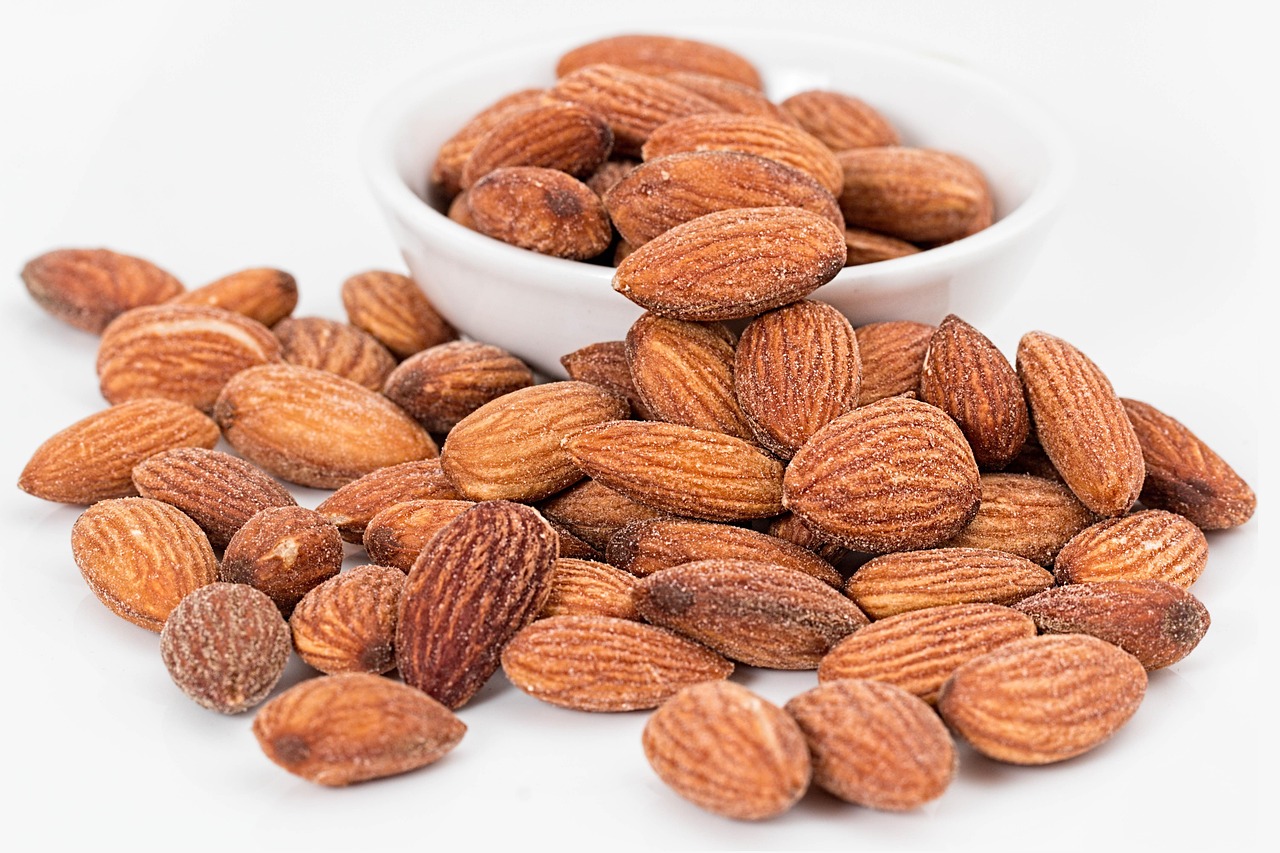
Trail mix is endlessly customizable and requires zero preparation beyond mixing. Combine your favorite nuts, seeds, dried fruits, and perhaps some dark chocolate chips for a balanced snack that travels well and doesn’t require refrigeration. Just watch portions, as the calories add up quickly with these nutrient-dense foods.
🌍 Eating Out Strategically
When cooking isn’t possible, eating out or ordering food becomes necessary. However, this doesn’t mean abandoning your health goals. Strategic ordering and restaurant selection allow you to maintain nutritious eating even when relying on prepared foods.
Look for restaurants offering grain bowls, salads with protein, or build-your-own options where you control ingredients. Many fast-casual chains now provide detailed nutritional information, helping you make informed choices. Don’t be afraid to customize orders—requesting dressing on the side, adding extra vegetables, or substituting proteins are reasonable requests most places accommodate.
Grocery Store Prepared Foods
Grocery stores increasingly offer nutritious prepared options that rival restaurant quality. Pre-made salads, rotisserie chickens, soup bars, and prepared vegetable sides provide variety without requiring cooking. These are often more affordable than restaurant meals and allow you to create balanced plates by combining different offerings.
📱 Technology to Support Your Nutrition Journey
Smartphone apps can be invaluable allies when navigating nutritious living with limited cooking capabilities. Beyond tracking apps, meal planning tools help you strategize shopping and eating, while recipe apps offer ideas specifically designed for minimal equipment.
Meal planning apps like Mealime provide personalized recipes based on dietary preferences and available equipment. Many filters allow you to specify “no-cook” or “microwave-only” options, generating ideas you might never have considered while ensuring nutritional balance.
🎯 Building Sustainable Habits for Long-Term Success
Maintaining healthy eating without a full kitchen isn’t about perfection—it’s about developing sustainable habits that work within your constraints. Focus on progress rather than perfection, celebrating the healthy choices you make rather than fixating on limitations.
Establish routines that support your goals. Perhaps you shop for fresh produce twice weekly rather than once, ensuring you always have options. Maybe you prep simple items during moments of downtime—washing fruit, portioning snacks, or mixing overnight oats. These small habits compound over time into significant health benefits.
Remember that this situation likely isn’t permanent. Whether you’re traveling, in temporary housing, or working with a limited space, these skills will serve you throughout life. Many people with full kitchens could benefit from the creativity and efficiency you’re developing out of necessity.
🔥 Making Peace with Imperfection
Some days, despite your best intentions, you’ll resort to less-than-ideal food choices. This is completely normal and doesn’t derail your overall health. The key is viewing healthy eating as a pattern over time rather than individual meal judgments.
One convenience meal or restaurant splurge doesn’t negate the nutritious choices you’ve been making. Guilt and stress around food choices often prove more harmful than the occasional nutritionally-lacking meal. Acknowledge the choice, enjoy the food without shame, and return to your healthy patterns at the next opportunity.
Flexibility and self-compassion are essential components of sustainable healthy eating, especially when dealing with environmental constraints beyond your control. The strategies in this guide provide you with numerous tools, but you’re the expert on your situation, preferences, and needs.
Staying healthy anywhere truly is possible with planning, creativity, and the right mindset. Your kitchen limitations don’t define your health potential—your choices, consistency, and adaptability do. By implementing even a few of these tips and hacks, you’ll find that nutritious living becomes not just possible but surprisingly simple, regardless of your cooking setup.