
Creating your own sleep tracker doesn’t require expensive gadgets or complicated technology. With simple tools and consistent monitoring, you can build an effective system to understand and enhance your sleep quality.

Sleep is one of the most crucial aspects of our overall health, yet many people struggle to get adequate rest. Understanding your sleep patterns can be the first step toward improving your energy levels, mood, and physical well-being. A personalized sleep tracker allows you to identify what works for your unique needs and make adjustments accordingly.
Why Track Your Sleep in the First Place? 🌙
Before diving into the mechanics of creating your own sleep monitoring system, it’s important to understand why tracking your rest matters. Many people underestimate the impact that quality sleep has on their daily performance and long-term health outcomes.
Sleep tracking helps you identify patterns that might be affecting your rest quality. Perhaps you’re consistently waking up at certain times, or maybe your sleep is shallower on days when you consume caffeine late in the afternoon. Without tracking, these patterns remain invisible, making it nearly impossible to address them effectively.
Research consistently shows that adults need between seven to nine hours of quality sleep per night. However, duration alone doesn’t tell the whole story. The quality of your sleep, including how many times you wake up and how long it takes to fall asleep, matters just as much as the total hours logged.
Essential Elements of an Effective Sleep Tracker
A well-designed sleep tracker doesn’t need to be complex. In fact, simplicity often leads to better consistency, which is the most important factor in successful sleep monitoring. Your tracking system should capture the most relevant information without becoming a burden.
Key Metrics Worth Monitoring
When designing your sleep tracker, focus on metrics that provide actionable insights. The following data points offer the most valuable information for understanding your sleep patterns:
- Bedtime and wake time: Recording when you actually get into bed and when you wake up establishes the foundation of your sleep data
- Time to fall asleep: How long it takes you to drift off can indicate stress levels or bedtime routine effectiveness
- Number of awakenings: Frequent interruptions may signal environmental issues or underlying health concerns
- Sleep quality rating: A subjective assessment of how rested you feel provides context to the objective data
- Factors affecting sleep: Notes about caffeine intake, exercise, stress, or evening activities help identify correlations
Building Your Paper-Based Sleep Journal 📝
The simplest approach to sleep tracking involves nothing more than a notebook and a pen. This old-school method has significant advantages, including zero technology interference before bed and complete customization to your preferences.
Create a template that you can replicate each day. At the top of each entry, include the date and day of the week. Many people notice their sleep patterns vary between weekdays and weekends, making this distinction valuable for analysis.
Design your daily entry to include spaces for all the metrics you want to track. Leave room for open-ended notes where you can record anything unusual about your day or night. These observations often reveal unexpected connections between your activities and sleep quality.
Making Your Journal User-Friendly
The key to maintaining any tracking system is making it as effortless as possible. Keep your sleep journal on your nightstand with a pen attached or nearby. The easier it is to access, the more likely you’ll use it consistently.
Consider using simple symbols or numbers instead of writing lengthy descriptions. For instance, rate your sleep quality on a scale of one to ten, or use symbols like stars or smiley faces to indicate good nights versus poor ones. Quick visual references make pattern recognition easier when you review your entries.
Creating a Digital Sleep Tracker Spreadsheet 💻
For those comfortable with technology, a spreadsheet offers powerful advantages for sleep tracking. Programs like Google Sheets, Microsoft Excel, or Apple Numbers allow you to collect data and visualize trends automatically.
Start by creating columns for each metric you want to track. Include calculated fields that automatically determine your total sleep duration based on your bedtime and wake time. Spreadsheets can also calculate averages, helping you see your typical sleep patterns over weeks or months.
One significant benefit of digital tracking is the ability to create charts and graphs. Visual representations of your sleep data make patterns immediately obvious. A line graph showing your sleep duration over time might reveal that you consistently get less rest during certain weeks of the month, for example.
Spreadsheet Formulas to Enhance Your Tracker
Simple formulas can transform your spreadsheet from a data collection tool into an analysis powerhouse. Calculate your average sleep duration, determine your most common wake time, or identify which factors most frequently coincide with poor sleep quality.
Conditional formatting can highlight cells based on specific criteria. Set your spreadsheet to color-code nights when you got less than seven hours of sleep in red, or mark excellent sleep quality nights in green. These visual cues help you quickly identify problem areas without analyzing every data point manually.
Using Basic Sleep Tracking Apps
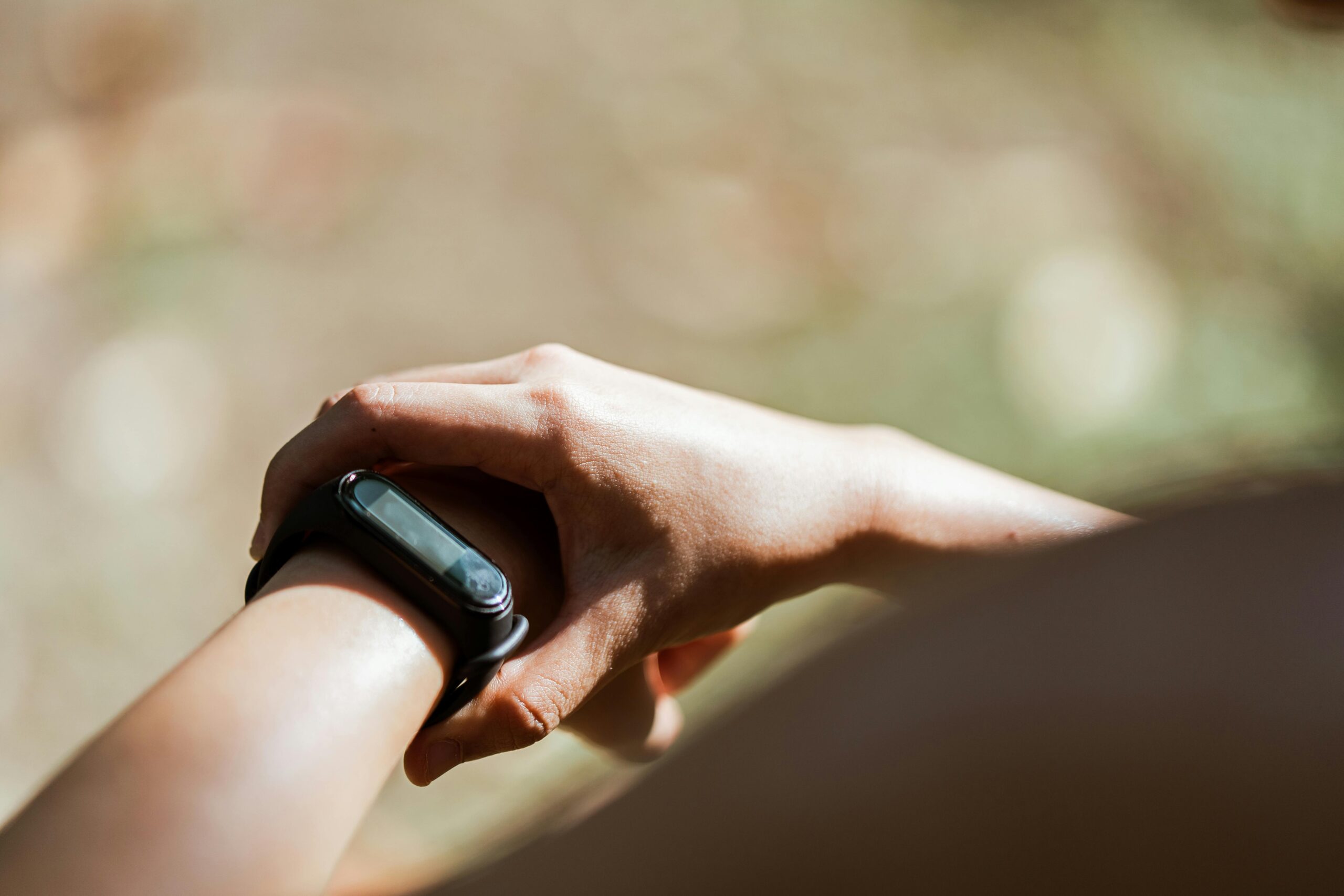
Smartphone applications designed for sleep tracking offer convenience and often include features that manual tracking cannot provide. Many apps use your phone’s sensors to detect movement during the night, estimating your sleep cycles and quality automatically.
When selecting a sleep tracking app, prioritize simplicity and ease of use. Applications with overly complex interfaces or excessive features often get abandoned after initial enthusiasm wears off. Look for apps that require minimal input while providing meaningful insights.
Some apps integrate with other health tracking tools, allowing you to see correlations between your exercise, diet, stress levels, and sleep quality. This holistic view can reveal connections you might otherwise miss when tracking sleep in isolation.
Designing a Hybrid Tracking System 🔄
Combining analog and digital methods often produces the most sustainable tracking system. You might use an app to automatically record your sleep duration and cycles while maintaining a journal for subjective notes and contextual factors.
This approach leverages the strengths of each method. Technology handles the objective data collection requiring precision, while manual journaling captures the nuanced, qualitative information that apps might miss. Together, they create a comprehensive picture of your sleep health.
Your hybrid system might involve checking your app each morning to see your sleep statistics, then spending two minutes jotting down how you feel, what you remember about the night, and any relevant factors from the previous day.
Establishing Consistent Tracking Habits
Even the most well-designed sleep tracker fails if you don’t use it consistently. Building the habit of daily sleep tracking requires intentional effort initially, but becomes automatic with repetition and the right strategies.
Link your tracking habit to existing routines. If you always check your phone when your alarm goes off, that’s the perfect moment to log your wake time and sleep quality. If you read before bed each night, place your sleep journal inside your book so you can’t miss it.
Overcoming Common Tracking Obstacles
Many people start sleep tracking with enthusiasm but abandon it within weeks. The most common reason is making the system too complicated or time-consuming. If your tracker requires more than five minutes of effort each day, simplify it.
Another obstacle is perfectionism. Missing a day doesn’t ruin your tracking efforts. If you forget to log your sleep, make your best estimate later or simply skip that entry and continue forward. Consistency over time matters more than perfection.
Analyzing Your Sleep Data for Insights 📊
Collecting sleep data serves no purpose unless you regularly review and analyze it. Set a weekly or biweekly reminder to examine your tracking records and look for patterns or trends that might inform helpful changes.
Start by calculating your average sleep duration over the review period. Compare this to recommended guidelines and your own energy levels. If you’re consistently getting less than seven hours, that’s an obvious target for improvement.
Look for correlations between your daily activities and sleep quality. Do you sleep better on days when you exercise? Does late-night screen time consistently correspond with difficulty falling asleep? These connections guide actionable improvements.
Creating an Action Plan from Your Findings
Data without action accomplishes nothing. Once you identify patterns in your sleep tracking, develop specific, manageable changes to test. If you notice worse sleep on nights when you eat dinner late, experiment with earlier meal times for two weeks and track the results.
Implement one change at a time so you can clearly attribute any improvements to specific modifications. Changing multiple variables simultaneously makes it impossible to know what’s actually helping your sleep quality.
Environmental Factors to Track and Optimize 🌡️
Your sleep environment significantly impacts rest quality, yet many tracking systems overlook these factors. Consider adding environmental metrics to your tracker, including bedroom temperature, noise levels, and light exposure.
Room temperature particularly affects sleep quality. Most experts recommend keeping bedrooms between 60-67°F (15-19°C) for optimal rest. If you notice better sleep on cooler nights, this might indicate your bedroom is typically too warm.
Light exposure before and during sleep also deserves attention. Note whether you used screens before bed, if streetlights shine through your windows, or if you woke to sunshine. These observations might reveal opportunities to improve your sleep environment.
Adapting Your Tracker as Needs Change
Your sleep tracking system should evolve as you learn what works and what doesn’t. After tracking for a few months, you might discover certain metrics provide little value while others you hadn’t considered would be helpful to monitor.
Don’t hesitate to modify your tracking template or app settings based on experience. Perhaps you initially tracked caffeine intake but realized it doesn’t affect your sleep. Eliminate that field to simplify your process. Conversely, if you discover alcohol significantly impacts your rest, add a specific tracking field for it.
Seasonal changes might also require adjustments. Your sleep patterns in summer might differ from winter months due to temperature, daylight duration, and activity levels. Your tracker should accommodate these natural variations.
Sharing Data with Healthcare Providers 👨⚕️
One often overlooked benefit of maintaining a sleep tracker is having concrete data to share with doctors if sleep problems persist. Rather than vague descriptions of “not sleeping well,” you can present weeks or months of detailed information.
If you’re experiencing chronic sleep issues, your tracked data might reveal patterns that point toward specific conditions like sleep apnea, restless leg syndrome, or circadian rhythm disorders. This information helps healthcare providers make more accurate diagnoses and treatment recommendations.
When preparing for a medical appointment about sleep concerns, summarize your tracking data into a clear, concise format. Calculate averages, note your most common complaints, and highlight any patterns you’ve observed. This preparation makes the most of limited appointment time.
Celebrating Sleep Improvements and Staying Motivated ✨
Tracking sleep provides tangible evidence of improvement, which serves as powerful motivation to maintain healthy sleep habits. When you can look back at your data and see that you’re getting an extra hour of quality sleep compared to three months ago, that success reinforces positive behaviors.
Set specific, achievable sleep goals based on your tracking data. Rather than vague aspirations like “sleep better,” aim for concrete targets such as “get to bed by 10:30 PM on weeknights” or “achieve seven hours of sleep five nights per week.” Track your progress toward these goals and celebrate when you reach them.
Remember that sleep quality naturally fluctuates, and occasional poor nights happen to everyone. Your tracking system helps you maintain perspective by showing the broader trend rather than fixating on individual bad nights. Over time, you’ll likely see overall improvement even with occasional setbacks.
Building a Sustainable Long-Term Practice
The ultimate goal isn’t just to track your sleep temporarily but to develop a sustainable practice that becomes a natural part of your wellness routine. Like brushing your teeth or exercising, sleep tracking should feel automatic rather than burdensome.
As your tracking becomes habitual, you’ll develop intuition about your sleep needs. You might eventually need less detailed tracking because you’ve internalized the principles of good sleep hygiene and can recognize when something is affecting your rest.
Consider your sleep tracker a tool for learning about yourself rather than a permanent obligation. Some people track continuously, while others check in periodically when they feel their sleep quality declining. Find the approach that serves your needs without creating unnecessary stress.
Your personalized sleep tracker represents an investment in your health that costs almost nothing but time and attention. By consistently monitoring your rest and making informed adjustments based on your findings, you empower yourself to achieve the restorative sleep that supports everything else you want to accomplish in life. Sweet dreams and happy tracking! 😴