
Balancing academics, social life, and personal wellness can feel overwhelming for students. Finding simple ways to stay active throughout your busy day doesn’t require expensive gym memberships or hours of free time.

Whether you’re rushing between classes, studying in the library, or preparing for exams, incorporating small movement breaks can dramatically improve your focus, energy levels, and overall well-being. The good news? Modern technology offers incredible tools designed specifically to help busy students track their physical activity effortlessly, making it easier than ever to maintain healthy habits even during the most hectic semesters.
Why Tracking Your Movement Matters for Student Success 📚
Research consistently shows that regular physical activity directly impacts academic performance. When you move your body, blood flow to your brain increases, enhancing memory retention, concentration, and cognitive function. For students facing demanding coursework, these benefits aren’t just nice to have—they’re essential for success.
Tracking your walks and stretches creates accountability and helps you recognize patterns in your daily routine. You might discover that a 10-minute walk before studying significantly improves your focus, or that stretching between classes reduces that afternoon energy slump. Without tracking, these valuable insights remain hidden.
Additionally, seeing your progress visually motivates continued effort. When you can watch your daily step counts increase or see how many stretching sessions you’ve completed this week, you’re more likely to maintain the habit. This positive reinforcement loop becomes particularly valuable during stressful periods like finals week when self-care often takes a backseat.
The Real Benefits of Walking for Student Life 🚶
Walking might seem too simple to make a real difference, but it’s actually one of the most effective activities for busy students. Unlike intense workouts that require special equipment and shower facilities, walking fits seamlessly into your existing schedule.
Mental Clarity and Stress Reduction
A brisk walk between classes or study sessions acts as a mental reset button. Students who incorporate regular walking breaks report lower anxiety levels and better stress management. The rhythmic nature of walking has a meditative quality that helps process information and reduce mental clutter.
When you’re stuck on a difficult problem or struggling with writer’s block, stepping away for a walk often leads to breakthrough moments. Your subconscious continues working on the problem while your conscious mind relaxes, frequently resulting in creative solutions.
Physical Health Without Time Commitment
Walking 10,000 steps daily—roughly five miles—significantly reduces health risks associated with sedentary student lifestyles. However, you don’t need to achieve this number all at once. Walking to class, taking the stairs, or choosing distant parking spots all contribute to your daily total.
For students who spend hours sitting in lectures or hunched over textbooks, regular walking counteracts the negative effects of prolonged sitting, including poor posture, reduced circulation, and increased risk of chronic diseases later in life.
Stretching: The Overlooked Wellness Tool 🧘
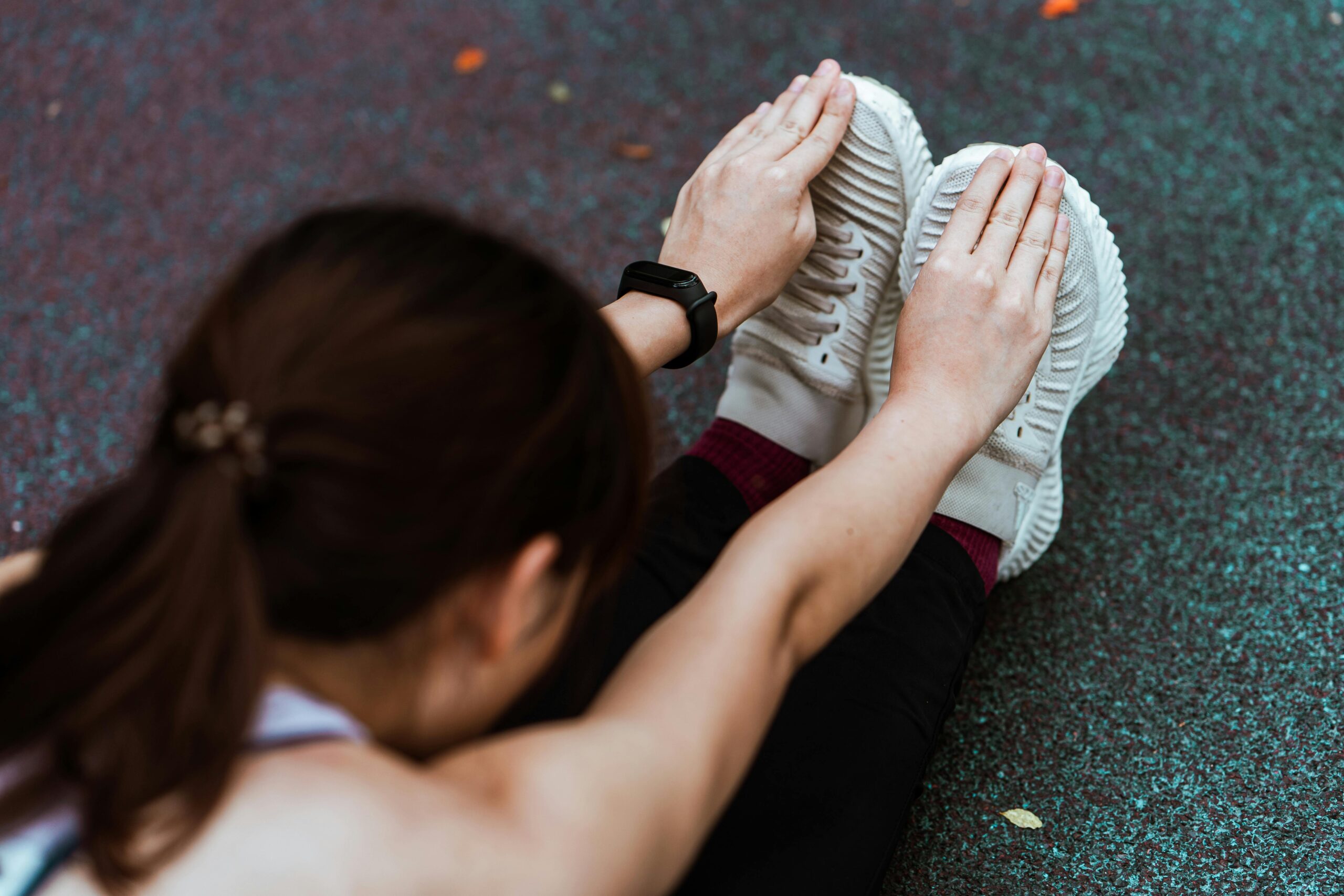
While walking gets plenty of attention, stretching remains underappreciated despite its remarkable benefits for students. Regular stretching combats the physical strain of carrying heavy backpacks, sitting in uncomfortable lecture halls, and hunching over laptops.
Immediate Energy Boost
When that mid-afternoon fatigue hits during a long study session, five minutes of strategic stretching can be more effective than another cup of coffee. Stretching increases oxygen flow throughout your body, naturally elevating energy levels without the crash that comes with caffeine.
Simple neck rolls, shoulder shrugs, and forward folds can be performed right at your desk or in quiet corners of the library. These micro-breaks prevent muscle tension from building up and keep you feeling fresh throughout long academic days.
Improved Sleep Quality
Students notoriously struggle with sleep, but incorporating gentle evening stretches can significantly improve sleep quality. Stretching before bed signals your body to transition into rest mode, releasing physical tension accumulated during the day and preparing you for deeper, more restorative sleep.
Essential Features to Look for in Activity Tracking Apps 📱
Not all tracking apps are created equal, especially when it comes to meeting student needs. The best tools combine simplicity with powerful features that actually enhance your wellness journey rather than complicating it.
Automatic Tracking Capabilities
As a busy student, you don’t want to remember to manually start and stop tracking every activity. Look for apps that automatically detect walking and other movements using your phone’s built-in sensors. This passive tracking ensures you capture all your activity without constant phone interaction.
Low Battery Consumption
Your phone is essential for communication, navigation, and academic tools throughout the day. Tracking apps that drain battery quickly become more hassle than help. Prioritize options optimized for energy efficiency that won’t leave you phoneless before your day ends.
Clear Visual Progress Displays
The best tracking apps present your data in immediately understandable formats. Colorful graphs, achievement badges, and progress rings provide at-a-glance insights into your daily activity without requiring you to analyze complex statistics.
Customizable Goals and Reminders
Your schedule varies dramatically between exam weeks and regular semesters. Apps offering flexible goal-setting let you adjust targets based on your current circumstances. Gentle reminders to move after prolonged sitting help you maintain consistency without feeling nagged.
Top Tracking Tools Perfect for Student Lifestyles ⭐
Google Fit: Comprehensive and Free
Google Fit stands out as an excellent choice for students seeking a no-cost solution with robust features. The app automatically tracks walking, running, and cycling using your phone’s sensors, requiring zero manual input for basic tracking.
What makes Google Fit particularly student-friendly is its Heart Points system, which translates activity intensity into easy-to-understand metrics. Walking at a moderate pace earns one point per minute, while more vigorous activities earn double points. This gamification element makes reaching daily goals genuinely satisfying.
The app integrates seamlessly with Google’s ecosystem, syncing across devices and connecting with numerous other fitness apps and wearables. If you already use Google Calendar for scheduling classes, having your activity data in the same ecosystem creates a unified picture of your daily life.
Pedometer Apps for Simple Step Tracking
Sometimes simplicity is exactly what busy students need. Dedicated pedometer apps focus exclusively on counting steps without overwhelming you with excessive features or data points.
These lightweight apps typically consume minimal battery while running continuously in the background. They display your daily step count prominently, often including distance walked and estimated calories burned. Many offer pleasant visual themes and the ability to set custom daily step goals.
Stretching and Flexibility Apps
While general activity trackers excel at monitoring steps, specialized stretching apps provide guided routines perfect for students. These apps offer quick sessions ranging from 5 to 15 minutes, ideal for breaks between classes or study sessions.
Look for apps featuring video demonstrations of proper form, customizable routine lengths, and options tailored to specific needs like desk worker stretches or pre-bed relaxation sequences. Some apps include reminder notifications to stretch at regular intervals throughout your day.
Creating a Sustainable Movement Routine 🔄
Having great tracking tools means nothing without consistent habits. The key to long-term success lies in building movement into your existing routine rather than trying to carve out separate “workout time” from your packed schedule.
Stack Your Habits
Attach new movement habits to existing behaviors. After every lecture, walk to your next destination via a slightly longer route. Before opening your laptop for a study session, complete a two-minute stretching routine. When waiting for your coffee to brew, do calf raises or arm circles.
This habit-stacking approach removes the decision-making burden. You’re not asking yourself “Should I take a walk?” but simply following your established pattern of “After class, I walk the long way to the library.”
Start Embarrassingly Small
Don’t set ambitious goals that sound impressive but feel overwhelming. Instead, begin with targets so easy they seem almost silly. Commit to just 2,000 steps daily or one three-minute stretching session. Once these minimal goals become automatic, gradually increase them.
This approach prevents the boom-and-bust cycle where students start with enthusiasm, set unrealistic expectations, fail to meet them, and abandon the effort entirely. Small, consistent actions compound into significant results over time.
Use Campus Geography to Your Advantage
Most college campuses cover significant ground, providing natural opportunities for walking. Intentionally choose the bathroom farthest from your usual study spot. Select classes in different buildings rather than clustering them all in one area. Park at distant lots when driving to campus.
These choices add hundreds or thousands of steps to your daily total without requiring dedicated exercise time. Your tracking app will reflect this increased activity, providing motivation to continue making movement-friendly choices.
Overcoming Common Student Obstacles 💪
The “Too Busy” Trap
Feeling too busy for physical activity is perhaps the most common student excuse, yet research shows that regular movement actually increases productivity and saves time in the long run. A 15-minute walk might feel like a luxury you can’t afford, but it often leads to 30 minutes of increased focus afterward.
Reframe movement as a productivity tool rather than a time-wasting distraction. When you track your activity alongside your study effectiveness, patterns emerge showing how physical activity directly enhances your academic performance.
Weather and Safety Concerns
Rainy days, extreme temperatures, or safety concerns about walking alone after dark can derail outdoor walking habits. Develop backup options like mall walking, pacing while reviewing flashcards in your dorm, or following along with indoor walking videos.
Many universities offer indoor track access or extensive tunnel systems connecting buildings. Familiarize yourself with these alternatives so weather never becomes an excuse for skipping movement entirely.
Maintaining Motivation During Stressful Periods
Midterms and finals create intense pressure that makes self-care feel expendable. However, these high-stress periods are exactly when movement matters most. Your tracking app becomes particularly valuable during these times, providing concrete evidence of how your well-being habits directly impact your academic performance.
Lower your expectations during exam weeks rather than abandoning activity entirely. A 5,000-step day beats a zero-step day, and a two-minute stretch is infinitely better than no stretch at all.
Maximizing Your Tracking Data 📊
Collecting activity data serves little purpose if you never review it. Schedule brief weekly check-ins to analyze your patterns and make informed adjustments to your routine.
Identify Your Peak Activity Times
Most tracking apps provide hourly breakdowns showing when you’re most and least active. Use this information strategically. If you’re naturally more active in mornings, schedule important study sessions for afternoons when you might need movement breaks. If evenings show minimal activity, set specific walking or stretching goals for that time.
Correlate Activity with Academic Performance
Try this experiment: For one month, note your daily step counts and stretching frequency alongside your subjective ratings of focus, energy, and study effectiveness. Many students discover clear correlations between higher activity levels and better academic performance, providing powerful personal motivation to maintain healthy habits.
Celebrate Milestones and Progress
Your tracking app likely includes achievement badges or milestone celebrations. Don’t dismiss these as silly gamification—they provide valuable positive reinforcement. Reached 50,000 total steps? That’s worth acknowledging. Maintained a stretching streak for two weeks? Celebrate that consistency.
Consider sharing achievements with friends pursuing similar wellness goals. Social accountability and friendly competition can significantly boost motivation and adherence.
Building Your Campus Movement Community 🤝
Wellness journeys become easier and more enjoyable when shared with others. Many tracking apps include social features allowing you to connect with friends, compare progress, and participate in challenges together.
Organize walking study groups where you review material while circling campus paths. Create dorm stretching sessions before bed. Start a campus challenge where different student organizations compete for highest average daily steps. These social elements transform solitary tracking into communal experiences that strengthen both friendships and healthy habits.
Your Personalized Movement Strategy Starts Now 🎯
The perfect tracking tool and the ideal routine look different for everyone. Your schedule, preferences, fitness level, and goals are unique. Start by downloading one recommended tracking app today—not tomorrow, not next week, but right now while motivation is high.
Spend your first week simply observing your current activity baseline without making changes. This awareness alone often naturally increases movement as you become conscious of prolonged sitting periods or missed walking opportunities.
After establishing your baseline, implement one small change. Perhaps you’ll take the stairs instead of elevators, or add a five-minute stretching routine before breakfast. Track this single change for at least two weeks before adding another element.
Remember that consistency matters far more than intensity. A modest walking habit maintained throughout your entire college career delivers exponentially more benefits than an ambitious routine abandoned after three weeks.
Your academic success depends on maintaining your physical and mental health. Tracking tools remove the guesswork from wellness, providing clear data about what works for your unique situation. By investing just minutes daily in monitoring and improving your movement habits, you’re building a foundation for not just academic achievement but lifelong health and vitality.
The students who thrive aren’t necessarily the ones who study longest—they’re the ones who balance academic rigor with smart self-care. Your tracking app is more than a step counter; it’s a wellness coach, motivation generator, and accountability partner rolled into one convenient tool. Start stepping up your day today, and watch how small movements create massive positive changes in your student life.