
Stress doesn’t announce itself with a formal warning. It creeps in quietly, disguised as busyness, urgency, or simply “just one more thing.” Before you realize it, your shoulders are tight, your mind is racing, and you’re on the edge of overwhelm.

The good news? You can interrupt this pattern before it hijacks your day. By building a personalized stress signal checklist, you create an early warning system that helps you pause, reflect, and regain control. This isn’t about eliminating stress entirely—it’s about mastering your calm by recognizing the signs before they escalate into full-blown overwhelm.
🚨 Why You Need a Stress Signal Checklist
Most people don’t recognize they’re stressed until they’re already deep in it. By that point, your body has released cortisol, your decision-making abilities have diminished, and your emotional regulation is compromised. A stress signal checklist acts as your personal early detection system.
Research shows that self-awareness is the cornerstone of emotional intelligence and stress management. When you can identify your unique stress signals early, you gain precious moments to intervene before your nervous system shifts into full fight-or-flight mode.
Think of it like a smoke detector in your home. You don’t wait until the house is engulfed in flames to take action. Similarly, your stress signal checklist alerts you when the first wisps of overwhelm appear, giving you time to respond thoughtfully rather than react impulsively.
Understanding Your Body’s Stress Language 💭
Your body communicates stress in remarkably consistent ways, but the specific signals vary from person to person. Some people experience tension headaches, while others notice digestive issues or jaw clenching. The key is learning to read your own body’s unique stress vocabulary.
Physical Stress Signals
Physical manifestations are often the first indicators that stress is building. Your body responds to perceived threats with measurable physiological changes. These might include:
- Muscle tension, especially in the neck, shoulders, or jaw
- Changes in breathing patterns—shallow, rapid, or chest-based breathing
- Digestive disturbances like nausea, butterflies, or appetite changes
- Increased heart rate or feeling your pulse in your chest
- Fatigue or sudden energy crashes despite adequate rest
- Headaches or pressure behind the eyes
- Sleep disruptions—difficulty falling asleep or staying asleep
Emotional Stress Indicators
Your emotional landscape shifts when stress accumulates. You might notice feeling more reactive, irritable, or emotionally fragile. Common emotional signals include:
- Heightened irritability or shorter temper than usual
- Feeling overwhelmed by normally manageable tasks
- Anxiety or a sense of impending doom
- Difficulty concentrating or making decisions
- Feeling detached, numb, or emotionally flat
- Increased worry or rumination about problems
Behavioral Red Flags
Stress often changes how we behave, sometimes in subtle ways we don’t immediately recognize. Watch for these behavioral patterns:
- Withdrawing from social interactions or avoiding people
- Procrastinating on important tasks while busying yourself with trivial ones
- Reaching for comfort foods, caffeine, or other coping substances more frequently
- Neglecting self-care routines like exercise, healthy eating, or hobbies
- Increased scrolling on social media or other numbing behaviors
- Speaking faster, interrupting others, or having difficulty listening
Building Your Personal Stress Signal Checklist ✅
Creating an effective stress signal checklist requires honest self-observation. This isn’t a generic template—it’s a personalized tool based on your unique patterns. Here’s how to build one that actually works.
Step One: Track Your Patterns
Spend one to two weeks paying deliberate attention to your stress responses. Keep a simple journal or use your phone’s notes app to record what you notice during stressful moments. Don’t judge or try to fix anything yet—just observe.
Note the time of day, what was happening, and what you experienced physically, emotionally, and behaviorally. Patterns will emerge. You might discover that you always clench your jaw during video calls, or that you start snapping at loved ones when work deadlines approach.
Step Two: Identify Your Top Five Signals
After your observation period, review your notes and identify the five most consistent stress signals you experience. These are the ones that appear repeatedly and show up early in your stress response cycle.
Prioritize signals that appear before you reach peak overwhelm. If “complete emotional breakdown” is your signal, it’s too late—you need earlier indicators. Look for the warning signs that precede the crisis.
Step Three: Create Your Response Protocol
For each stress signal on your checklist, define a specific, simple action you can take immediately. The key word is simple—when you’re stressed, your executive function is impaired, so complex interventions won’t work.
Your response protocol might look something like this:
| Stress Signal | Immediate Response |
|---|---|
| Shoulder tension | Take three deep breaths and roll shoulders backward five times |
| Jaw clenching | Consciously relax jaw and drink a glass of water |
| Irritability with others | Pause before responding; take a 5-minute walk if possible |
| Racing thoughts | Write down the top three concerns on paper to clear mental space |
| Shallow breathing | Practice 4-7-8 breathing (inhale 4, hold 7, exhale 8) |
The Power of the Pause ⏸️
The most crucial element of your stress signal checklist isn’t the list itself—it’s what you do when you notice a signal. This is where the pause comes in.
When you recognize a stress signal, the simple act of pausing interrupts your automatic stress response. You create a gap between stimulus and response, and in that gap lies your power to choose a different path.
How to Practice an Effective Pause
An effective pause doesn’t need to be long. Even ten seconds can reset your nervous system if you use them intentionally. Here’s a simple pause protocol:
Stop: Literally stop what you’re doing. Put down your phone, step away from your computer, or excuse yourself from the conversation if needed.
Breathe: Take three conscious breaths. Make your exhales longer than your inhales to activate your parasympathetic nervous system.
Notice: Check in with yourself. What am I feeling? What am I thinking? What does my body need right now?
Choose: Based on your awareness, consciously choose your next action rather than reacting automatically.
Reflection Practices That Build Resilience 🌱
Pausing gives you space, but reflection gives you wisdom. Regular reflection transforms your stress signal checklist from a reactive tool into a proactive practice that builds genuine resilience.
Daily Micro-Reflections
Spend two minutes at the end of each day asking yourself these questions:
- Which stress signals did I notice today?
- How quickly did I recognize them?
- What response did I choose, and how effective was it?
- What would I do differently tomorrow?
These brief check-ins strengthen your self-awareness muscles and help you refine your stress management approach over time.
Weekly Pattern Analysis
Once a week, review your daily reflections to identify larger patterns. Are certain days or situations consistently more stressful? Do specific triggers repeatedly activate your stress response? This meta-awareness allows you to make strategic changes to reduce stress at its source.
Regaining Control: Moving From Reaction to Response 🎯
The ultimate goal of your stress signal checklist isn’t just to notice stress—it’s to regain control before overwhelm takes over. This means shifting from reactive coping to responsive action.
The Difference Between Coping and Responding
Coping strategies help you survive stress in the moment. They’re important, but they’re temporary fixes. Responsive actions address both the immediate stress and the underlying factors that created it.
For example, if you notice your stress signal is constant email checking, a coping strategy might be taking deep breaths. A responsive action would be setting specific times to check email and turning off notifications between those times.
Building Your Response Toolkit
Effective stress management requires multiple tools. Different situations call for different interventions. Consider building a toolkit that includes:
Physiological reset tools: Breathing exercises, progressive muscle relaxation, cold water on your face, or brief movement breaks
Cognitive reframing tools: Questioning catastrophic thoughts, finding evidence against worst-case scenarios, or shifting perspective
Boundary-setting tools: Learning to say no, delegating tasks, or communicating needs clearly
Connection tools: Reaching out to supportive people, expressing emotions honestly, or asking for help
Mindfulness tools: Meditation apps, guided imagery, body scans, or present-moment awareness practices
Making Your Checklist Work in Real Life 🔄
A stress signal checklist only works if you actually use it. Here’s how to integrate this practice into your daily life without adding another item to your overwhelming to-do list.
Start Small and Simple
Don’t try to monitor fifteen different stress signals starting tomorrow. Begin with your top three most reliable indicators. Master noticing and responding to those before adding more.
Keep your checklist visible. Write it on a sticky note on your computer monitor, save it as your phone’s lock screen, or set periodic reminder notifications. Out of sight truly is out of mind when it comes to new habits.
Create Environmental Cues
Your environment can remind you to check in with yourself. Place a small object on your desk that serves as a visual cue to pause and scan for stress signals. Some people use a smooth stone, a specific color of sticky note, or even a particular screensaver.
Anchor to Existing Habits
Attach your stress check-in to habits you already do consistently. For example, every time you pour a cup of coffee, make it a cue to scan your body for tension. When you sit down at your desk in the morning, take thirty seconds to assess your current stress level.
When Stress Signals Intensify: Knowing When to Seek Support 🤝
Your stress signal checklist is a powerful self-management tool, but it’s not a replacement for professional support when needed. Some situations require more than self-help strategies.
Consider reaching out to a mental health professional if you notice that stress signals are persistent despite your interventions, interfering significantly with your daily functioning, or accompanied by symptoms of depression or anxiety disorders.
There’s no shame in seeking support. In fact, recognizing when you need help is itself a form of self-awareness and strength. Think of therapy as maintenance care for your mental health, just as you’d see a doctor for persistent physical symptoms.
Cultivating Long-Term Calm Through Consistent Practice 🧘
Mastering your calm isn’t a destination you reach—it’s a practice you cultivate. Your stress signal checklist becomes more refined and effective the more consistently you use it.
Over time, you’ll notice something remarkable: the gap between when stress begins and when you notice it becomes shorter. Eventually, you’ll catch stress signals so early that you can address them before they gain momentum. This is the essence of mastery—not the absence of stress, but the skillful navigation of it.
Your relationship with stress transforms when you move from victim to observer, from reactive to responsive, from overwhelmed to empowered. The checklist is simply a tool that facilitates this transformation.
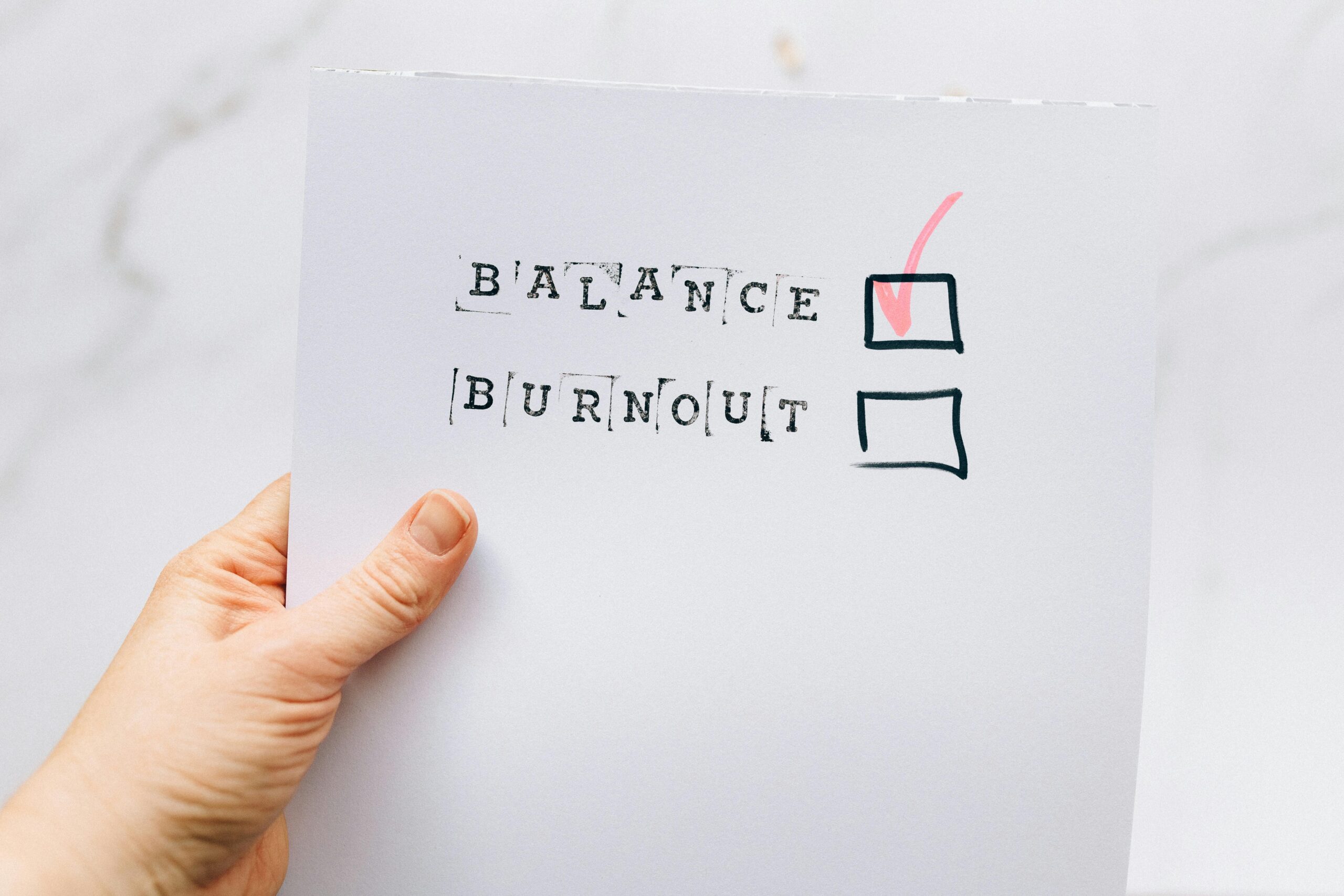
Your Calm Is a Skill, Not a Personality Trait 💪
Perhaps the most liberating truth about stress management is this: calm isn’t something you either have or don’t have. It’s a skill you can develop through deliberate practice.
Some people seem naturally calm, but what you’re observing is often the result of countless micro-practices they’ve integrated into their lives. They’ve learned to recognize their stress signals, pause before reacting, and respond in ways that restore their equilibrium.
You can develop this same capacity. Your stress signal checklist is your training ground. Each time you notice a signal, pause, and choose a response, you’re strengthening neural pathways that support emotional regulation and resilience.
Building a stress signal checklist isn’t about achieving perfect calm or never feeling stressed. It’s about reclaiming your agency in moments when stress threatens to overwhelm you. It’s about creating space between what happens to you and how you respond to it.
Start today. Identify one reliable stress signal you experience. Commit to noticing it for the next week. When you catch it, pause for just ten seconds and take three conscious breaths. This simple practice, repeated consistently, can transform your relationship with stress and help you master the calm that already lives within you.