
Test-day anxiety is a universal challenge that affects students, professionals, and candidates across all fields. The pressure to perform can trigger physical symptoms, mental blocks, and self-doubt that sabotage even the most prepared individuals.

Understanding how to manage these nerves effectively can be the difference between showcasing your true abilities and falling short of your potential. This comprehensive guide explores science-backed techniques to help you transform test-day anxiety into focused energy and unwavering confidence.
🧠 Understanding the Science Behind Test Anxiety
Test anxiety isn’t just “being nervous”—it’s a legitimate psychological response that affects millions of people worldwide. When you perceive an exam as threatening, your body activates its fight-or-flight response, flooding your system with stress hormones like cortisol and adrenaline.
This physiological reaction can manifest in various ways: racing heart, sweaty palms, stomach discomfort, racing thoughts, or even complete mental blanks. The prefrontal cortex, responsible for complex thinking and memory retrieval, becomes compromised when stress hormones dominate your system.
Recognizing that these reactions are biological rather than personal failures is the first step toward managing them effectively. Your nervous system is simply trying to protect you, but it needs recalibration to understand that an exam isn’t a life-threatening situation.
🌅 Pre-Test Day Preparation: Building Your Foundation
Effective test-day management actually begins weeks before the actual event. Building confidence through proper preparation creates a psychological buffer against anxiety when the pressure mounts.
Strategic Study Techniques That Reduce Anxiety
Rather than cramming information in marathon sessions, implement spaced repetition—studying material in intervals over time. This method not only enhances retention but also builds genuine confidence in your knowledge base, reducing uncertainty-driven anxiety.
Create practice testing environments that simulate the actual exam conditions. By familiarizing yourself with time pressure and exam formats beforehand, you remove the fear of the unknown—a major anxiety trigger.
Document your progress through practice tests and self-assessments. Seeing tangible improvement over time provides concrete evidence that contradicts anxiety-driven thoughts like “I’m not ready” or “I’ll fail.”
Establishing Supportive Daily Routines
Your daily habits in the weeks leading up to a test significantly impact your nervous system’s baseline stress level. Prioritize seven to nine hours of quality sleep, as sleep deprivation amplifies anxiety and impairs cognitive function.
Maintain regular physical activity, even if just 20-30 minutes daily. Exercise reduces cortisol levels, increases endorphins, and improves overall stress resilience—benefits that compound over time.
Nutrition also plays a crucial role. Limit caffeine and sugar, which can trigger anxiety symptoms, and focus on whole foods that stabilize blood sugar and support neurotransmitter production.
⏰ The Night Before: Setting Yourself Up for Success
The evening before your test is not the time for intensive studying. Instead, focus on activities that promote relaxation and mental readiness.
The Power of Strategic Preparation
Prepare all practical items the night before: identification documents, required materials, appropriate clothing, and snacks. This eliminates morning decision-making and potential panic about forgotten items.
Create a simple checklist and place it with your packed bag. This tangible preparation reduces pre-sleep anxiety about forgetting something important.
Review your notes lightly if needed, but avoid introducing new material. Focus on familiar concepts that reinforce confidence rather than topics that might trigger doubt or confusion.
Evening Relaxation Protocols
Engage in calming activities that signal to your nervous system that you’re safe. This might include gentle stretching, reading fiction, listening to calming music, or taking a warm bath.
Avoid screens at least one hour before bed, as blue light suppresses melatonin production and can disrupt sleep quality. If you must use devices, enable blue light filters.
Practice progressive muscle relaxation: systematically tensing and releasing muscle groups from your toes to your head. This technique reduces physical tension and promotes deeper sleep.
🌤️ Test Morning: Establishing a Calm Foundation
How you start your test day significantly influences your mental state throughout the exam. Create a morning routine that centers and grounds you.
The Importance of Timing
Wake up with enough time to move through your morning without rushing. Feeling pressed for time triggers stress responses that carry into your exam experience.
Plan to arrive at your test location 15-30 minutes early, but not excessively early. This buffer prevents panic about being late while avoiding prolonged waiting that amplifies nervous anticipation.
Nourishing Your Body and Mind
Eat a balanced breakfast that includes protein, complex carbohydrates, and healthy fats. This combination provides sustained energy and stable blood sugar, preventing energy crashes or jitters during your exam.
Stay hydrated but don’t overdo it—you don’t want frequent bathroom breaks disrupting your focus. Sip water steadily throughout the morning rather than drinking large amounts at once.
If caffeine is part of your routine, maintain your normal intake rather than increasing it. Extra caffeine on test day can heighten anxiety symptoms, especially in already-stressed individuals.
🧘 Immediate Pre-Test Calming Techniques
The final minutes before your exam begins are critical for establishing the right mental state. These techniques can quickly shift your nervous system from panic to focus.
Breathwork for Instant Calm
Deep breathing directly influences your autonomic nervous system, signaling safety to your body. The 4-7-8 technique is particularly effective: inhale for 4 counts, hold for 7, exhale for 8. Repeat 3-4 times.
Box breathing is another powerful method: inhale for 4 counts, hold for 4, exhale for 4, hold for 4. This creates rhythm and gives your mind something to focus on besides anxious thoughts.
Diaphragmatic breathing—breathing deeply into your belly rather than shallowly into your chest—activates the parasympathetic nervous system, which counteracts the stress response.
Physical Grounding Techniques
The 5-4-3-2-1 sensory technique anchors you in the present moment: identify 5 things you can see, 4 you can touch, 3 you can hear, 2 you can smell, and 1 you can taste. This interrupts anxiety spirals by redirecting attention outward.
Gentle physical movement releases tension and excess nervous energy. Simple neck rolls, shoulder shrugs, or discrete hand stretches can make a significant difference in how you feel.
Press your feet firmly into the ground and notice the sensation of stability. This simple act creates a sense of being grounded and supported rather than floating in anxiety.
💪 Mental Reframing: Transforming Anxiety Into Energy
Your interpretation of physical sensations determines whether they help or hinder performance. Learning to reframe anxiety symptoms as excitement or readiness can dramatically shift your experience.
Cognitive Restructuring Techniques
When you notice your heart racing or hands shaking, consciously label these sensations as “my body preparing me to perform well” rather than “I’m panicking.” Research shows this simple reframing improves test performance.
Challenge catastrophic thinking with evidence-based reality checks. Instead of “I’ll fail and my life will be ruined,” try “This test is important, but it doesn’t define my entire worth or future.”
Use positive self-talk, but keep it realistic and specific. Rather than generic affirmations like “I’m the best,” use statements like “I’ve prepared thoroughly and I’m capable of handling this challenge.”
Visualization for Confidence
Spend 2-3 minutes visualizing yourself moving through the exam calmly and competently. Imagine reading questions with clarity, recalling information easily, and feeling satisfied with your performance.
Include sensory details in your visualization: the feeling of the chair beneath you, the sound of your pencil on paper, the sense of calm focus in your mind. The more vivid the mental rehearsal, the more effective it becomes.
Visualize not just perfect performance but also handling challenging moments with grace. Imagine encountering a difficult question, taking a breath, and moving forward strategically.
📝 During the Test: Maintaining Focus and Calm
Even with excellent preparation, anxiety can resurface during the actual exam. Having in-the-moment coping strategies ensures you can quickly recover your equilibrium.
Strategic Test-Taking Approaches
Begin with easier questions to build momentum and confidence. This creates a sense of accomplishment that counteracts anxiety and activates your knowledge retrieval systems.
If you encounter a question that triggers panic, mark it and move forward. Dwelling on one difficult item amplifies anxiety and wastes time that could be spent answering questions you do know.
Budget your time wisely but avoid obsessive clock-watching. Check the time at strategic intervals (after completing sections) rather than constantly, which can heighten pressure.
Mini-Reset Techniques
If anxiety surges during the exam, take a deliberate 30-second break. Close your eyes, take three deep breaths, release shoulder tension, and return to your work with renewed focus.
Use brief affirmation statements: “I am calm and focused,” “I can handle this,” or “One question at a time.” These mental interruptions prevent anxiety spirals from taking hold.
Maintain awareness of your physical state. Periodically check for tension in your jaw, shoulders, or hands, and consciously release it. Physical tension feeds mental tension in a reinforcing cycle.
🎯 Specific Techniques for Different Anxiety Symptoms
Different people experience test anxiety in different ways. Tailoring your approach to your specific symptoms increases effectiveness.
For Racing Heart and Physical Symptoms
Extended exhales activate your vagus nerve, which calms your cardiovascular system. Practice breathing where your exhale is twice as long as your inhale.
Apply gentle pressure to your temples or the space between your thumb and index finger. These acupressure points can reduce physical anxiety symptoms.
For Mental Blocks and Blanking
If you blank on information, shift your attention entirely for 30 seconds. Look around the room, focus on physical sensations, then return to the question. This mental reset often allows information to surface.
Use association techniques: think about when you learned the material, where you were studying, or related concepts. These contextual cues can trigger memory retrieval.
For Negative Thought Spirals
Practice thought-stopping: when you notice catastrophic thinking, mentally say “stop,” then deliberately redirect your attention to the task at hand.
Counter each negative thought with a neutral fact. “I don’t know anything” becomes “I don’t know this particular answer right now, but I’ve successfully answered several questions already.”
🌟 Building Long-Term Anxiety Resilience
While acute techniques help in the moment, developing overall anxiety resilience reduces the intensity of test-day nerves over time.
Regular Mindfulness Practice
Daily mindfulness meditation—even just 5-10 minutes—trains your brain to observe thoughts and sensations without reactive panic. This skill becomes invaluable during high-pressure situations.
Mindfulness isn’t about eliminating anxiety but changing your relationship with it. You learn to notice “I’m having anxious thoughts” rather than being consumed by them.
Exposure and Desensitization
Regularly place yourself in low-stakes testing situations to desensitize your nervous system. Practice tests, timed quizzes, and mock exams reduce the novelty and perceived threat of test environments.
Gradually increase the stakes and realism of practice situations. This systematic desensitization reduces the intensity of anxiety responses when facing actual high-stakes exams.
Professional Support When Needed
If test anxiety significantly impairs your performance despite self-help strategies, consider working with a therapist who specializes in anxiety or performance psychology.
Cognitive-behavioral therapy has strong evidence for treating test anxiety. A few sessions can provide personalized strategies and address underlying beliefs that fuel anxiety.
🔄 Post-Test Reflection and Growth
How you process the experience after a test influences your anxiety levels for future exams. Constructive reflection builds confidence while harsh self-criticism perpetuates anxiety cycles.
Productive Post-Test Analysis
Focus on what you did well and what strategies worked. This positive reinforcement strengthens effective behaviors and builds self-efficacy.
When identifying areas for improvement, frame them as learning opportunities rather than failures. “Next time I’ll start with easier questions” is more productive than “I’m terrible at managing my time.”
Recognize that single test performances don’t define your intelligence, worth, or future success. This perspective reduces the perceived stakes of future tests, naturally lowering anxiety.
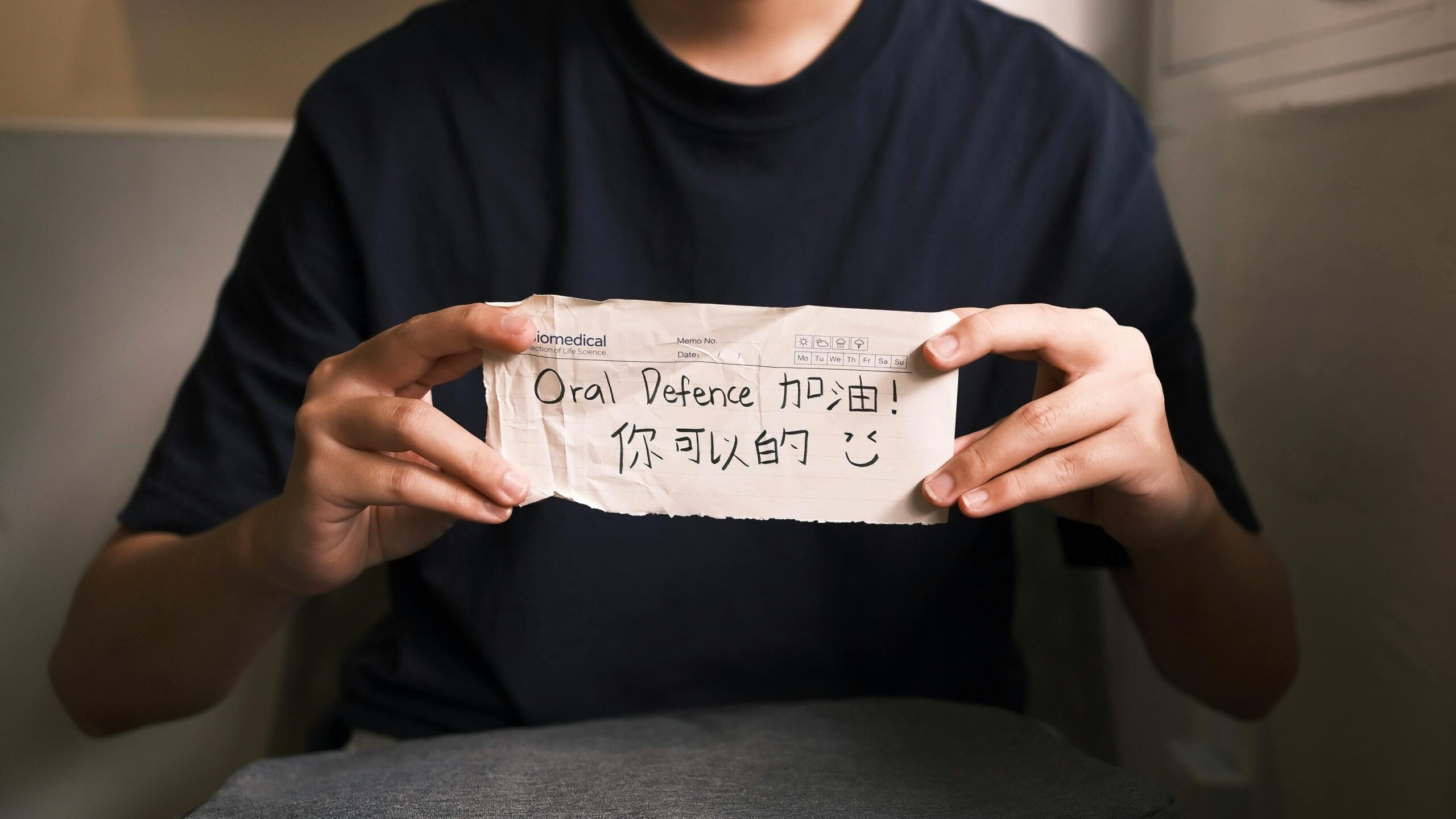
🎓 Creating Your Personalized Anti-Anxiety Protocol
The most effective approach combines multiple techniques tailored to your specific needs and preferences. Experiment with different strategies during practice tests to identify what works best for you.
Create a written protocol—a step-by-step plan for managing anxiety from the night before through test completion. Having a concrete plan reduces uncertainty and gives you a sense of control.
Practice your protocol regularly so it becomes automatic. When anxiety peaks, you won’t have to think about what to do—your prepared responses will activate naturally.
Remember that managing test-day nerves is a skill that improves with practice. Each exam provides an opportunity to refine your approach and build confidence in your ability to handle pressure situations.
Your anxiety doesn’t mean you’re unprepared or incapable—it means you care about your performance. By learning to channel that energy productively rather than letting it overwhelm you, you transform a liability into an asset. The nervous energy that once sabotaged your performance can become the fuel that sharpens your focus and enhances your abilities.
With consistent application of these techniques, you’ll develop unshakeable confidence in your ability to perform when it matters most. Test day will transform from a source of dread to an opportunity to demonstrate your true capabilities.